Prompt Engineering as Code: Designing Prompt Architectures
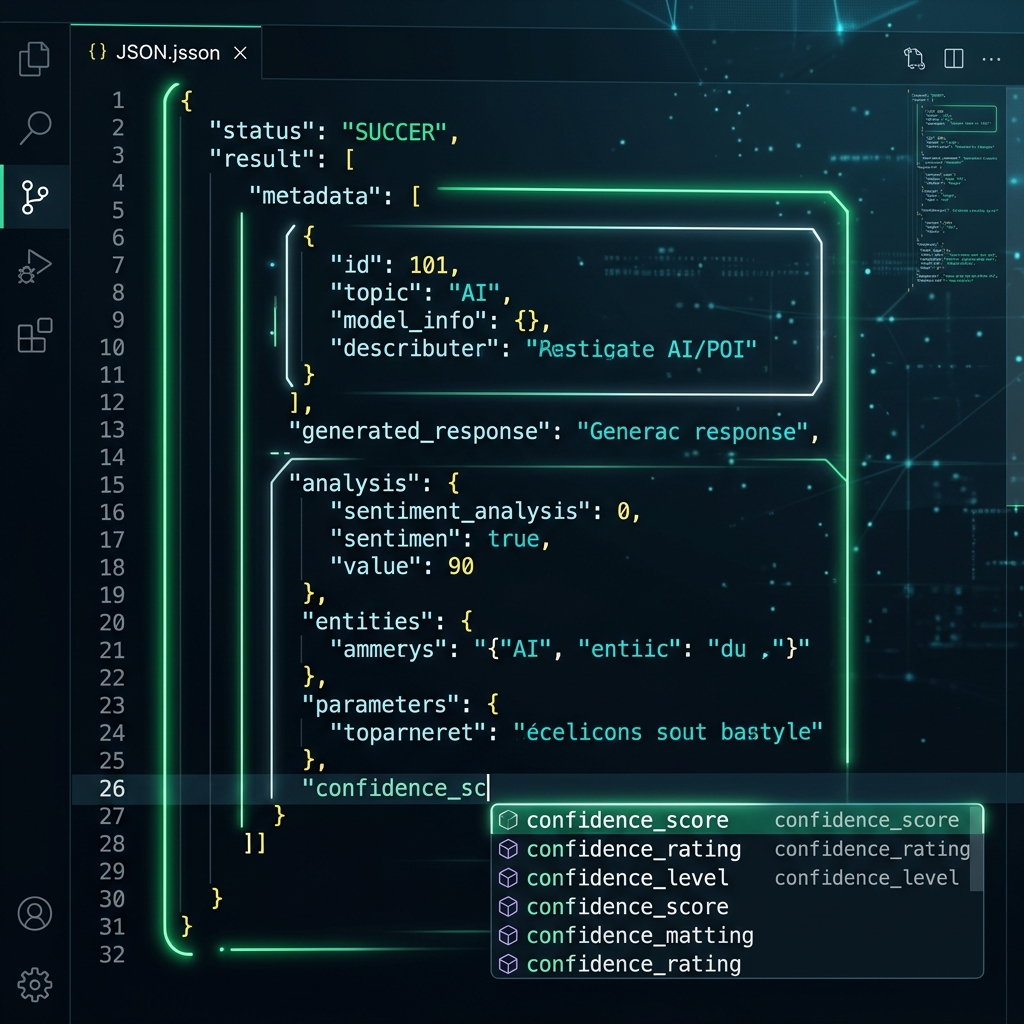
As applications rely more on LLMs, prompt engineering is transitioning from simple trial-and-error messaging to a structured discipline. Advanced software systems require predictable, structured output formats from models. Designing these is known as **Prompt Architecture**.
Structuring Prompts
Prompts are now designed using markdown structure, system instruction boundaries, and input XML tags. This helps the model identify different context variables and produce consistent results.
<system_instructions>
You are a database parser. Return ONLY valid JSON format payloads. Do not include chat explanations.
</system_instructions>

<context_data>
User IP: 192.168.1.1
Access Level: Administrator
</context_data>

<user_request>
Retrieve query logs for table "users".
</user_request>
Reliability
By codifying prompts and version-controlling them like traditional software code, developers can ensure that model outputs remain stable across various updates, ensuring clean integrations with downstream APIs.